





 Join Us
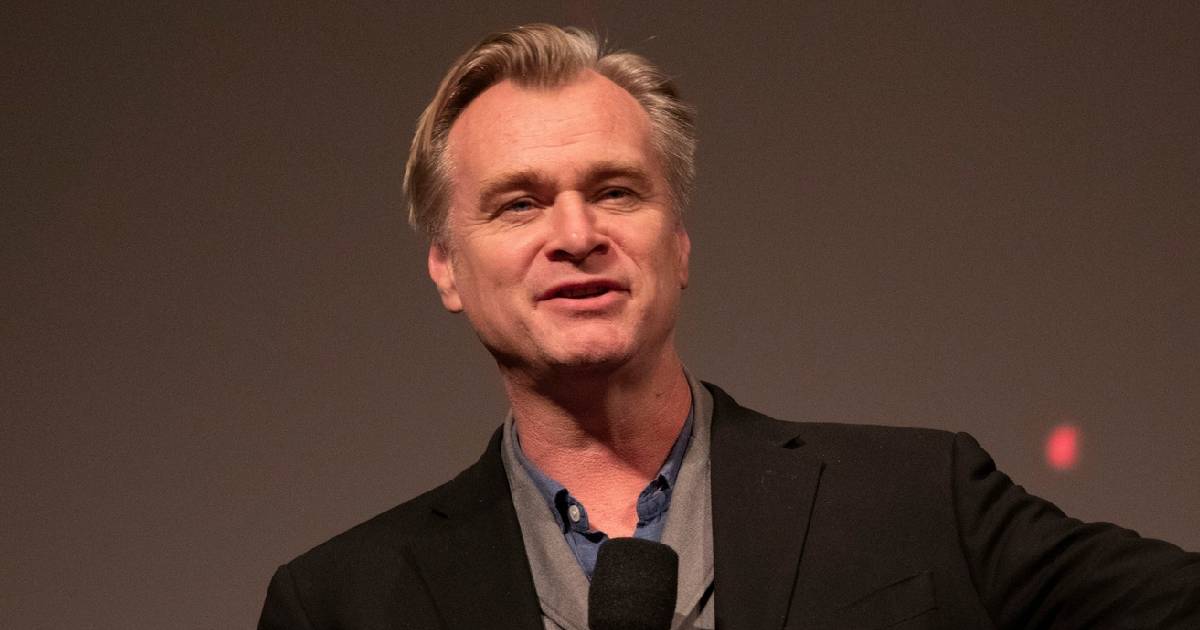
Christopher Nolan did not arrive as a guaranteed event filmmaker. His early years were shaped by scrappy, low-budget thrillers like Following and Memento. But Batman Begins changed the trajectory, offering a real budget and a wide audience. Now, even after two decades, the pattern has never reversed, and every release since then has carried the sense of an occasion rather than a routine studio product.
Christopher Nolan As A Director Whose Name Sells Movies
Industry chatter often circles around a simple reality, one that becomes clearer when examining recent box office trends and studio behavior. Christopher Nolan’s name alone still pushes audiences toward theaters in a way few filmmakers manage today, even as the market tightens and attention splinters.
Truth be told, no other working director has built a brand with such consistency. Creators such as Steven Spielberg and Martin Scorsese remain esteemed, yet in recent years, they have not been shielded from box-office bombs despite strong reviews. Comparisons to James Cameron often surface, yet Cameron has lived inside the Avatar universe for nearly 30 years, making it hard to separate the filmmaker from the franchise.
Nolan works without a franchise safety net. A three-hour biopic about the inventor of the atomic bomb earning nearly $1 billion worldwide and dominating the Academy Awards sounds like industry fiction, yet Oppenheimer made it a reality.
Trending
Christopher Nolan & His Stand For Theatrical Filmmaking
Nolan’s respect inside Hollywood followed naturally. He recently became President of the Directors’ Guild, a role that fits his public stance on how films should be made and shown. Commitment to shooting on film remains central to his process, and the decision to part ways with Warner Bros after the studio pushed same day streaming releases showed how far he would go to defend theatrical windows.
Timing made that stand feel even sharper. Warner Bros facing a potential sale to Netflix only adds to the unease.
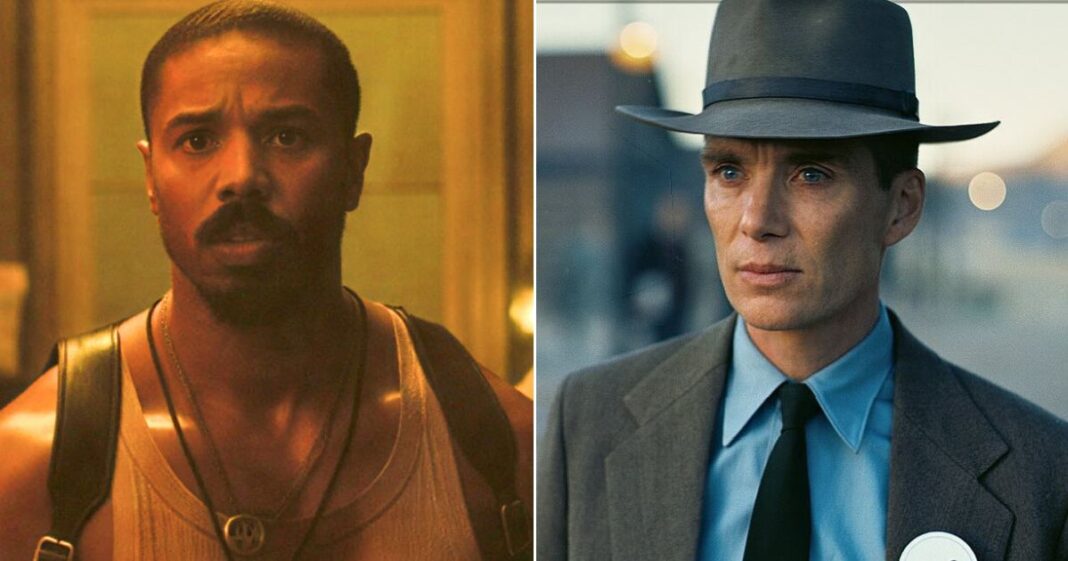
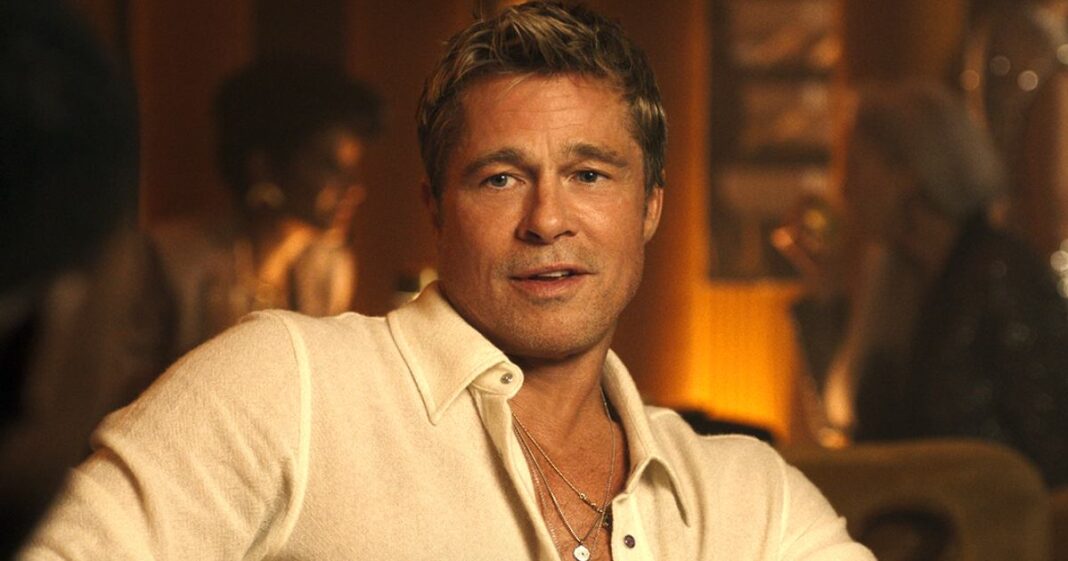
Christopher Nolan delivered these four before Odyssey (2026). pic.twitter.com/pVIYZvUDaD
— Movie Moments Analyst (@Movies_analyst) January 24, 2026
Why Christopher Nolan Could Be The Last Director Who Truly Makes Movies For The Big Screen
Under these conditions, Nolan has openly admitted a return to low budget filmmaking feels unrealistic. While speaking to The Hollywood Reporter, he framed his choices as an example for younger filmmakers who lack similar access.
Nolan said, “I’m drawn to working at a large scale because I know how fragile the opportunity to marshal those resources is. I know that there are so many filmmakers out there in the world who would give their eye teeth to have the resources I put together, and I feel I have the responsibility to use them in the most productive and interesting way.”
Original Storytelling In Christopher Nolan’s Big-Budget Films
Budget excess often draws criticism in Hollywood, yet Nolan stands apart. After The Dark Knight trilogy, he delivered original science fiction with Interstellar and Tenet, followed by World War II epics Dunkirk and Oppenheimer, all without leaning on existing brands.
The Odyssey & Christopher Nolan’s Box Office Future
With The Odyssey positioning itself among a release slate dominated by franchise-driven spectacles like Avengers: Doomsday, Spider-Man: Brand New Day, and Toy Story 5, Nolan stands apart. His career no longer feels like an anomaly but a reminder of an era when filmmakers, not IP, drove audiences to theaters. Whether he is truly the last of his kind remains to be seen, but for now, he is one of the few still making movies for the big screen first.
Advertisement
For more such stories, check out Hollywood News
Must Read: BAFTA 2026: Top 10 Most-Nominated Films – From F1 To One Battle After Another
Follow Us: Facebook | Instagram | Twitter | YouTube | Google News