




 Join Us
As global entertainment undergoes seismic shifts driven by artificial intelligence (AI), streaming fatigue, and a rapidly fragmenting audience, Bollywood too stands at the edge of a profound transformation. That reality came into sharp focus on December 6, when celebrated astrologer and columnist Vikkramm Chandirramani predicted that Larry Ellison would initiate a major acquisition within weeks. Forty-eight hours later, Paramount, controlled by Ellison, launched a hostile, all-cash takeover bid for Warner Bros., a move that closely mirrored the forecast. While the acquisition itself may take months to conclude, Vikkramm argues that the tremors it set off are only the beginning.
He sees 2026 not as a routine cyclical upswing but as an industry-wide inflection point, a year when technological disruption, creative recalibration, and shifting power structures converge to rewrite the rules. Global events, he adds, are likely to throw unexpected curveballs at the entertainment business, forcing companies and creators alike to adapt and demonstrate resilience, with January, April, and September 2026 emerging as particularly pivotal moments.
The first four months of the year, he expects, will be charged with mergers, acquisitions, multi-picture deals, and a few surprise global box-office successes. But above all, this is the year AI moves from novelty to infrastructure. “AI in 2026 is not a novelty, not a tool in the corner of the room,” Vikkramm says. “It becomes part of the room itself.”
Trending
AI – From Novelty To Infrastructure
In Vikkramm’s view, this is not merely a shift in tools, but a shift in power, in who gets to build, scale, and control creative output. He sees generative workflows becoming standardised, VFX timelines shrinking, digital doubles evolving into monetisable assets, and AI-driven previs altering how films are conceived. Writing, casting, and post-production workflows could all be reshaped in ways that quietly but decisively challenge traditional hierarchies.
Between mid-August and mid-September 2026, Vikkramm expects a dramatic turning point, four weeks that mark a clear shift in entertainment’s relationship with technology. Parallel developments in the telecom and internet sectors are likely to accelerate their convergence with broadcasting, reshaping distribution, discovery, and monetisation. “This is when traditional players realise the future is already here,” he says. “And that the industry is not going back.”
Much of this, he notes, is rooted in longer Saturn cycles. Saturn in Aquarius periods have historically coincided with the mass adoption of television in the 1960s and the explosion of satellite TV and early internet technologies in the mid-1990s. “These are not coincidences,” Vikkramm says. Even with Saturn now in Pisces, he believes the innovations seeded earlier remain firmly locked in. Against that backdrop, here is how Vikkramm believes these shifts will play out for some of the industry’s biggest names in 2026.
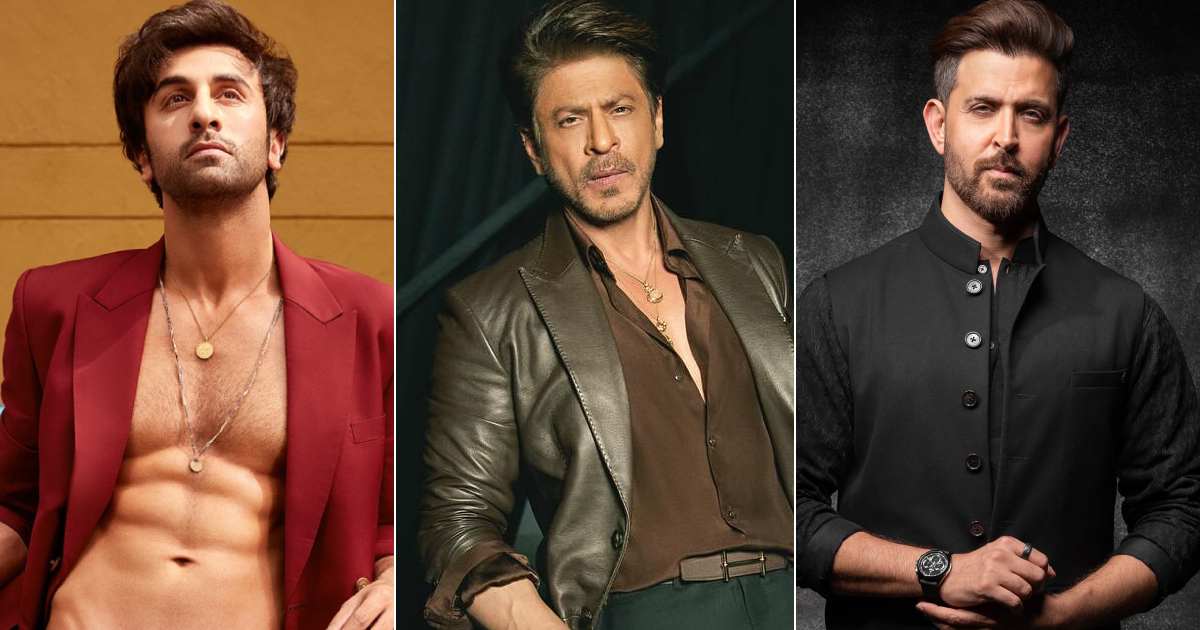
Ranbir Kapoor
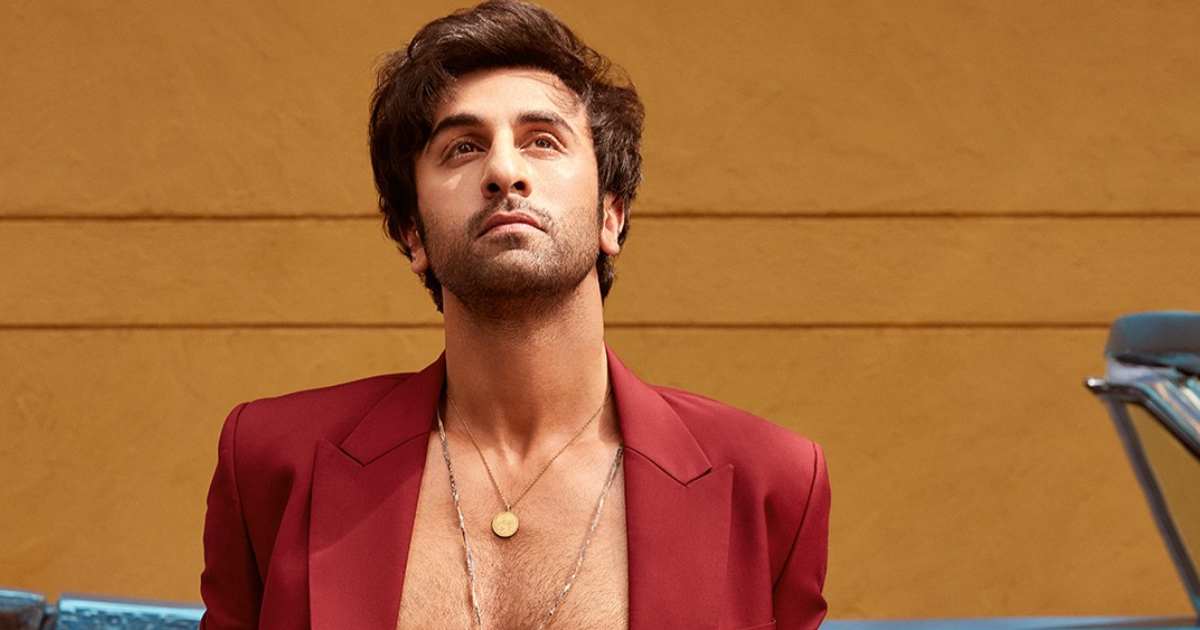
Ranbir Kapoor’s current moment, Vikkramm argues, can only be understood in the context of what he has just emerged from. Kapoor was under Sade Sati from 2017 until April 2025, a demanding Saturn-driven phase that reshaped both his career and personal life. Saturn, he notes, tests relentlessly, forcing discipline, hard work, and uncomfortable change, but when it rewards, those gains tend to endure. In Kapoor’s case, this effect is amplified, as Saturn occupies a central and powerful place in his chart.
That long phase has already delivered tangible results. Vikkramm had identified Animal as a blockbuster even before its trailer was released, at a time when opinion was divided. The film went on to gross over ₹900 crore worldwide, validating the call and marking one of Kapoor’s defining performances.
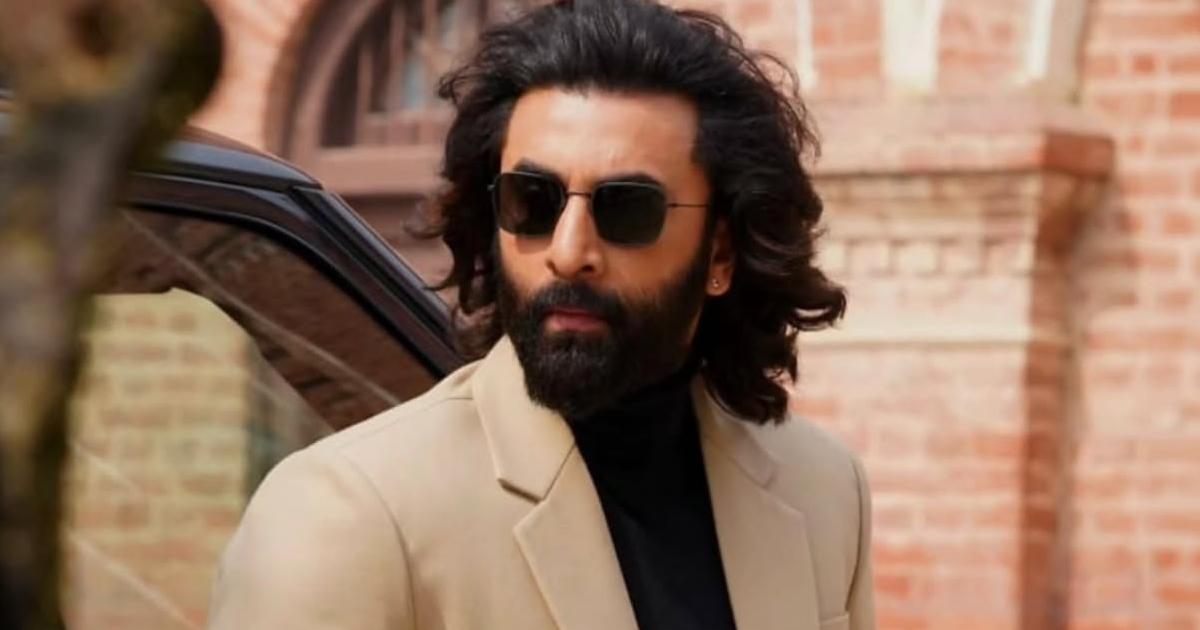
Looking ahead, Vikkramm sees 2026 as a year of consolidation and escalation. He believes Love and War will work at the box office, though its ultimate impact will depend on release timing. Later in the year, Diwali, which falls between November 5 and November 11, stands out as a crucial window, with the Ramayana expected to arrive and perform strongly.
Beyond individual releases, the year is likely to elevate Kapoor’s professional stature. Creative collaborations are indicated in the second half of January, with another active phase between March and the end of April. July also stands out as a notable month, marked by new partnerships and significant career developments. The larger shift begins in April 2026, when Kapoor enters his Saturn dasha.
Recently, Vikkramm sparked debate by suggesting this marks the start of a dominance phase comparable to Amitabh Bachchan’s peak. “Amitabh Bachchan, at his peak, was head and shoulders above his contemporaries,” he says. “Even the Khans shared the spotlight. Ranbir’s chart shows something different, a rare blend of emotional intelligence, artistic risk-taking, determination, and quiet resilience.”
Vikkramm also sees Kapoor eventually moving behind the camera. “In Hindi cinema, only Raj Kapoor and Manoj Kumar have truly excelled as both actor and filmmaker,” he says. “Ranbir will be the third.” Taken together, the end of Sade Sati and the onset of Saturn dasha mark a turning of the wheel, one that may shape not just Kapoor’s next films, but his long-term legacy.
Aryan Khan
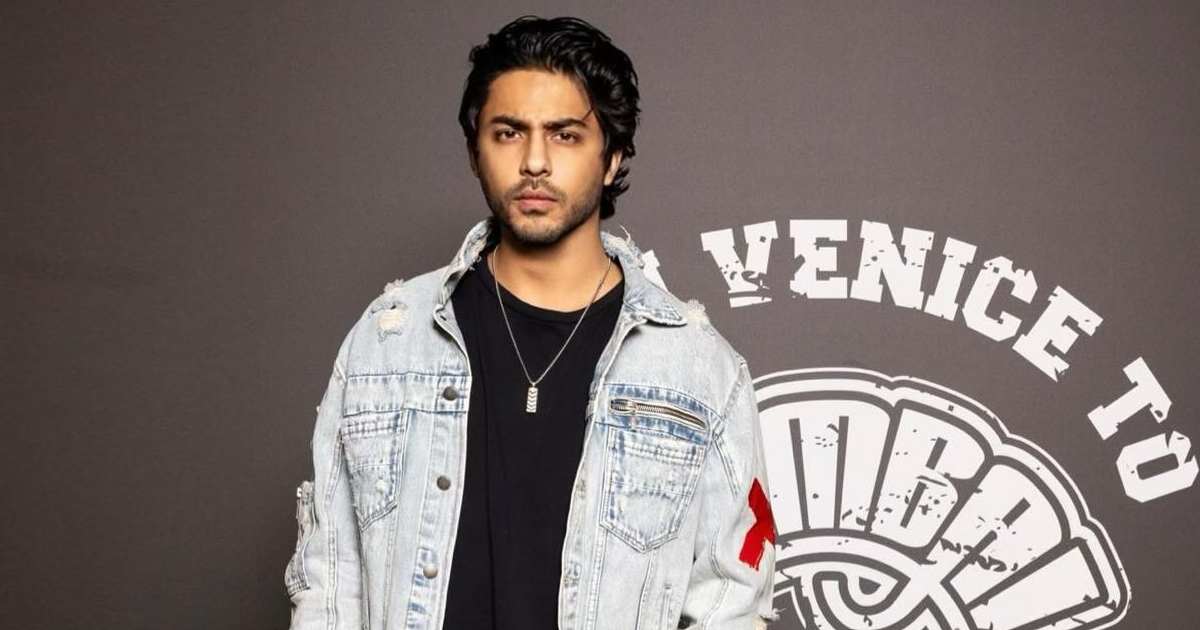
Vikkramm had flagged Aryan Khan’s rise and the success of The Ba**ds of Bollywood at a time when the young creator was still widely underestimated. “People dismissed him as just another ‘star kid,’ but that was never accurate,” he says. “His chart is strongly driven by Venus, which governs aesthetics, storytelling, luxury, and branding. Look at the spaces he’s gravitated toward: film, fashion, lifestyle, even the liquor business. These are not coincidences.”
Mid-January to mid-February 2026 and the month of May emerge as pivotal windows. Projects initiated during these periods, Vikkramm believes, are likely to gather momentum and bear fruit the following year. “2026 is about laying the foundation,” he says. “What begins now flourishes in 2027. This is the start of a very long creative arc.” He believes Aryan Khan’s journey is only beginning, with both 2026 and 2027 shaping up as highly significant years during which his professional stature rises steadily.
Shah Rukh Khan
For Shah Rukh Khan, the momentum sparked by his post-2023 comeback shows no signs of slowing, a resurgence Vikkramm had predicted nearly a year before it unfolded. Yet even as that revival gathers pace, the underlying tone is shifting.
In September 2025, Khan entered a 17-year Mercury dasha, a cycle Vikkramm believes is already reshaping his outlook. Mercury brings a sharper, more analytical lens, making Khan more selective and more willing to take unexpected decisions that may surprise both industry observers and audiences. The phase also favours reading, travel, and deeper engagement with emerging technologies and the evolving intersection of entertainment and technology. Against that backdrop, 2026 becomes less about spectacle and more about strategic positioning.
Mid-January to mid-February stands out as a strong phase, with new creative collaborations and announcements likely, including those involving long-distance or overseas connections. A collaboration within the family is also possible, with Vikkramm suggesting Khan may work closely with his son Aryan. The same period is marked by heightened financial activity. Significant investments or asset moves could be announced, alongside restructuring or exits. “There’s a lot happening here,” Vikkramm says. “Expect major deals.”
Technology could play a central role, whether through AI-driven initiatives or the finalisation of a sequel. An unusual creative pairing could also take shape later in the year, a collaboration with an A-list actor Khan has seldom, if ever, worked with before. Stepping back, Vikkramm emphasises that 2026 is a year of preparation rather than culmination. The real payoff, he believes, arrives in 2027, a year that reinforces why Shah Rukh Khan remains known as King Khan.
Aamir Khan
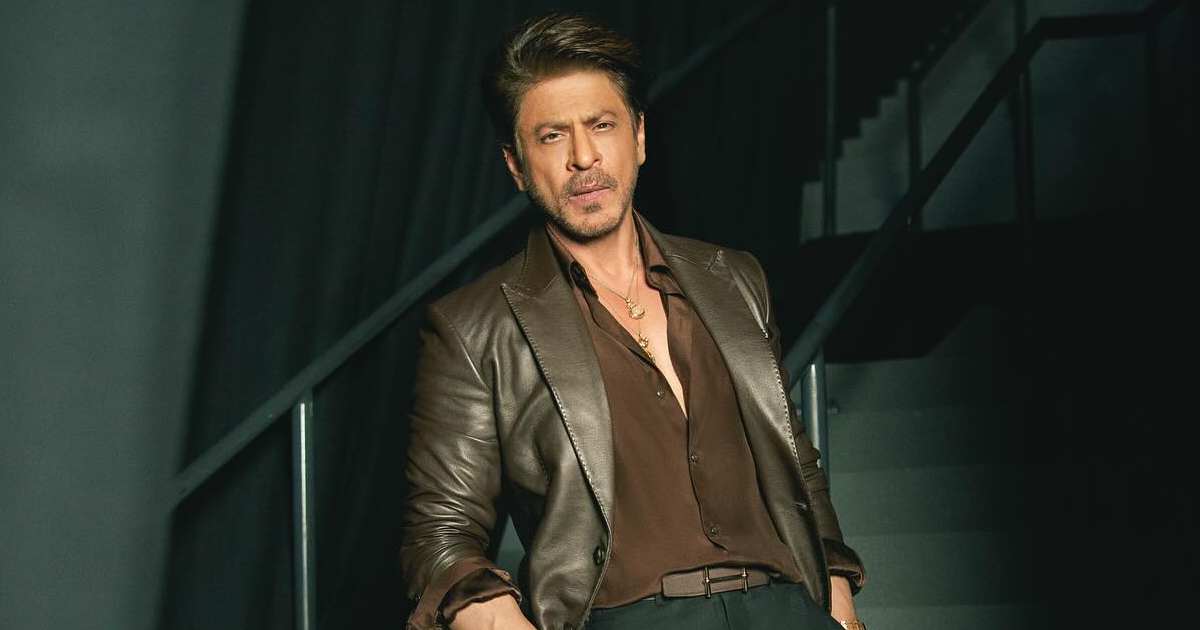
For Aamir Khan, 2026 marks a clear inflection point. He completes his Moon dasha in April, a phase often associated with inward reassessment, and enters his Mars dasha, a period Vikkramm describes as particularly favourable for wealth, decisive action, and forward momentum. Vikkramm had forecast Khan’s resurgence after Thugs of Hindostan and Laal Singh Chaddha, a call validated by the 2025 success of Sitaare Zameen Par.
Now, he believes, the comeback enters a more forceful phase. “Aamir begins 2026 on a high,” he says. “January will be especially significant, particularly the second half.” Creative collaborations, asset acquisitions, and joint ventures are favoured, with another strong window opening between mid-March and mid-April. The momentum continues into the second half of the year.
Mid-August to mid-September stands out as another pivotal phase, marked by significant career developments and the potential for a high-profile collaboration. The year, Vikkramm suggests, bridges reflection and action, completing one long internal cycle and opening the door to expansion and renewed command.
Hrithik Roshan
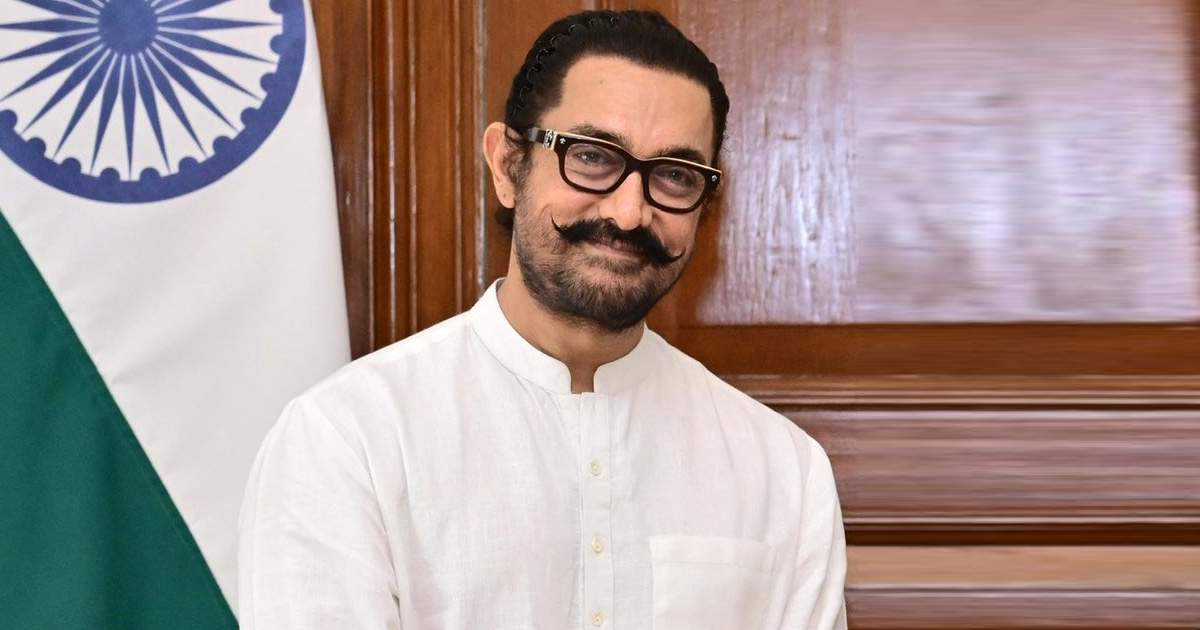
For Hrithik Roshan, 2026 shapes up as a strategically important year defined by movement and scale. “January opens very well for Hrithik,” Vikkramm says. From mid-January through February, major creative collaborations are likely, alongside investments, joint ventures, and acquisitions of considerable size.
Late March and April bring another shift, with the second half of March marked by a key creative collaboration, possibly even a sequel, followed by a strong investment window into early April. Between mid-June and mid-July, Roshan may make a significant investment, while July itself favours collaborations with reputed companies or professionals based overseas.
Late August stands out again. “That’s when another major collaboration can come together,” Vikkramm says, “and his work is likely to be well received.” Stepping back, he characterises 2026 as a year of sustained activity rather than isolated spikes. “It’s a year where a lot moves, and the results will be visible,” he says.
Vicky Kaushal
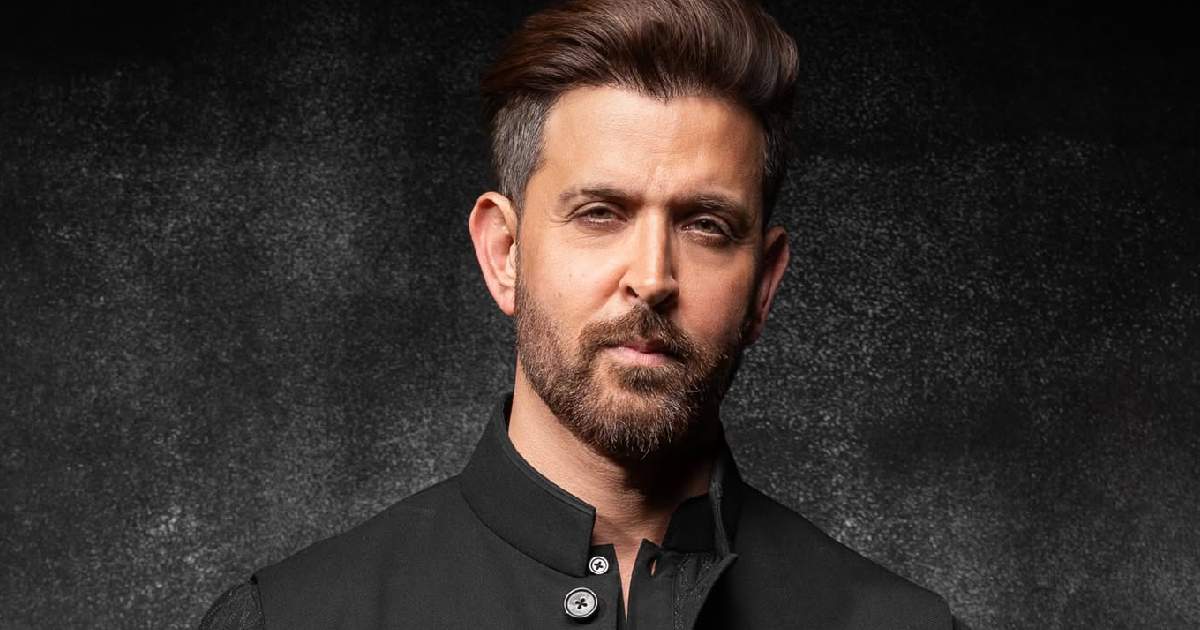
Astrologer Vikkramm says, “January to April 2026 will be an active stretch for him. February and April, in particular, stand out as especially eventful. He will form new creative collaborations, and his stature within the industry will rise even further this year.”
Films To Watch
From dark horses to global tentpoles, Vikkramm recently called Tere Ishk Mein a film that would outperform expectations, a view vindicated when it crossed ₹140 crore despite modest early projections. “This is exactly the kind of cycle 2026 amplifies,” he says. “Strong talent, strong timing.”
One film he believes the trade is underestimating is Do Deewane Seher Mein, produced by Sanjay Leela Bhansali and directed by Ravi Udyawar (known for Mom), scheduled for release on February 20, 2026. “Hardly anyone is discussing it right now,” he notes. “But it will surprise the trade with its collections.”
Among tentpoles, Ramayana, likely arriving around Diwali, is expected to perform strongly, particularly overseas. On other major titles, Vikkramm remains cautious. “Release dates are unclear for most films. So it’s hard to say.”
The Bigger Picture
A year not of transition, but transformation. The entertainment industry has already been reshaped by streaming, theatrical volatility, and the first wave of AI. Vikkramm believes 2026 is the year these forces crystallise into something irreversible. “This is the year everything rewrites itself,” he says. “The companies and artists who understand that will define what comes next.”
About Astrologer Vikkramm Chandirramani
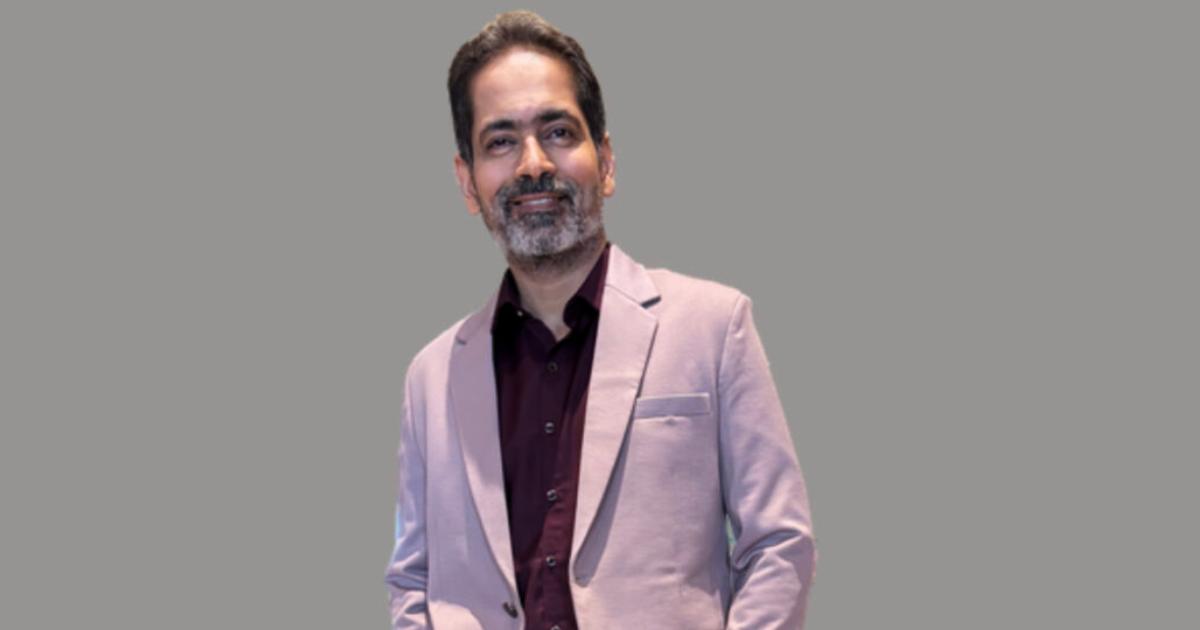
Vikkramm Chandirramani, an astrologer practicing since 2001, combines the principles of Vedic and Western astrology with his intuitive abilities to offer profound insights into the future. His official website is https://www.futurescopes.com/astrology/
Advertisement
For more such exclusive stories, stay tuned to Koimoi.
Follow Us: Facebook | Instagram | Twitter | YouTube | Google News