





 Join Us
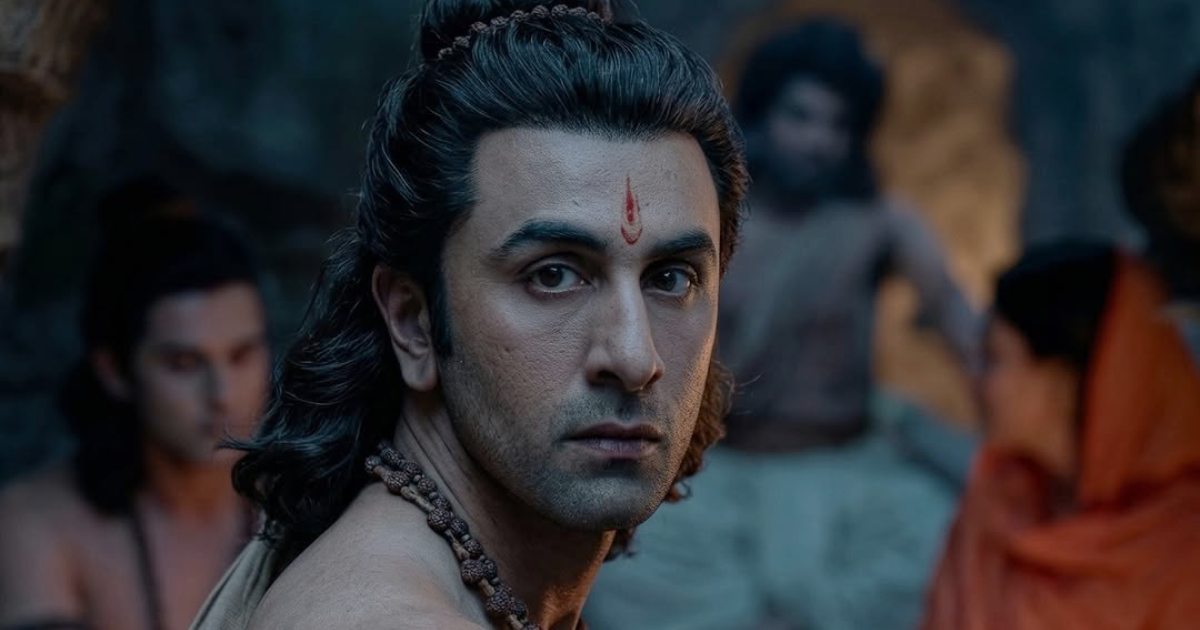
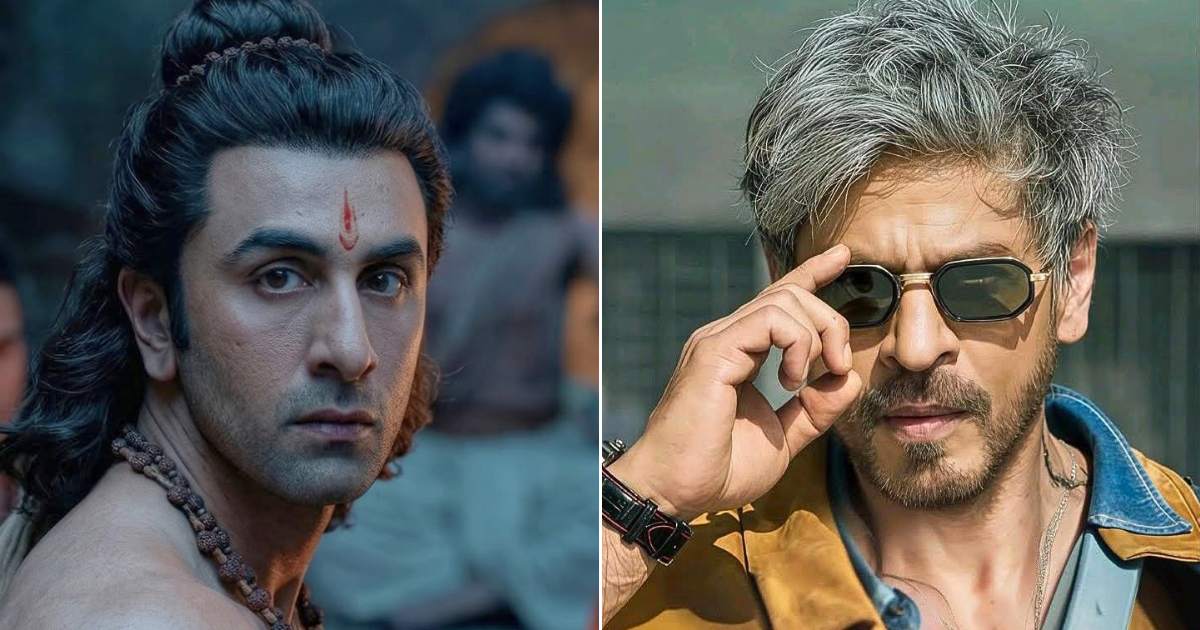
Ranbir Kapoor stepping into the role of Lord Rama in Nitesh Tiwari’s ambitious Ramayana has already created massive buzz. From intense prep to the film’s staggering budget, everything about this project feels larger than life. But what if we told you this isn’t the first time a Kapoor has taken on this iconic role?
Long before modern VFX and big-screen spectacle, a member of the Kapoor family had already brought Lord Rama to life on screen. This lesser-known chapter of cinema history goes all the way back to the early days of Indian talkies, and it adds an unexpected layer to Ranbir’s casting today.
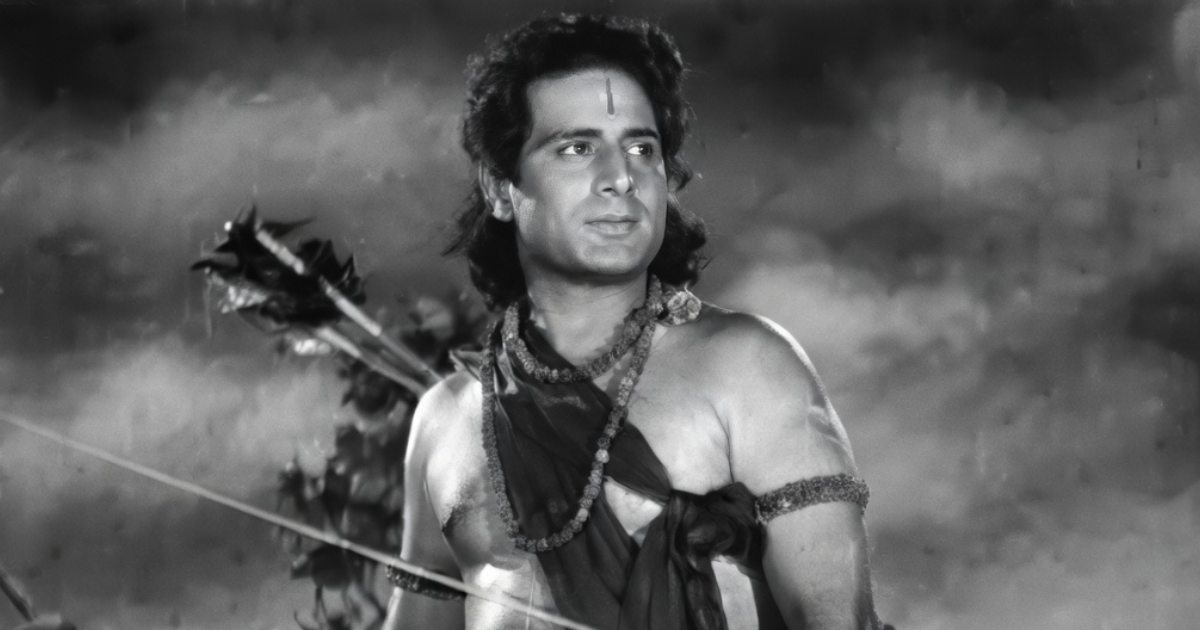
That connection traces back to none other than Prithviraj Kapoor. Ranbir Kapoor’s great-grandfather portrayed Lord Rama in the 1934 film Seeta. At a time when cinema was still finding its voice, his performance brought the revered character to life for audiences, quietly laying the foundation for a legacy that now comes full circle nearly 90 years later.
View this post on Instagram
Trending

How Seeta Brought Lord Rama To The Big Screen First
Director Debaki Bose made the film Seeta in the Calcutta studios. The Indian film industry produced very few sound films back then, and Prithviraj Kapoor stepped onto the movie set for the historic role. Durga Khote played Goddess Sita opposite the tall actor. The movie studio spent a large amount of money on production.
The ambitious directors wanted grand visual sets for the entire film. The skilled carpenters built huge palace structures on the dusty studio lot. The costume department bought expensive traditional garments for the main cast. Prithviraj brought a strong theatrical background to the silver screen. And he commanded absolute attention from the quiet theater crowd every time. He delivered his lines with a booming voice.
How Seeta Became India’s First Global Film Success
The movie Seeta broke box-office records across India and achieved massive success in European markets as well. The proud producers sent the heavy reels of film to Italy. Then it became the first Indian talkie at the Venice Film Festival. The European festival judges highly praised the natural acting styles.
And they awarded the Indian director an honorary cinematic diploma. Prithviraj Kapoor gained massive public fame from this successful project. Excited fans recognized the handsome actor even on the busy city streets. He later established the Kapoor family name in Indian cinema history, and he founded a long-lasting dynasty in Mumbai’s film studios. The entire country celebrated his rare performance.
View this post on Instagram
Comparing Two Generations Of Bollywood Stars
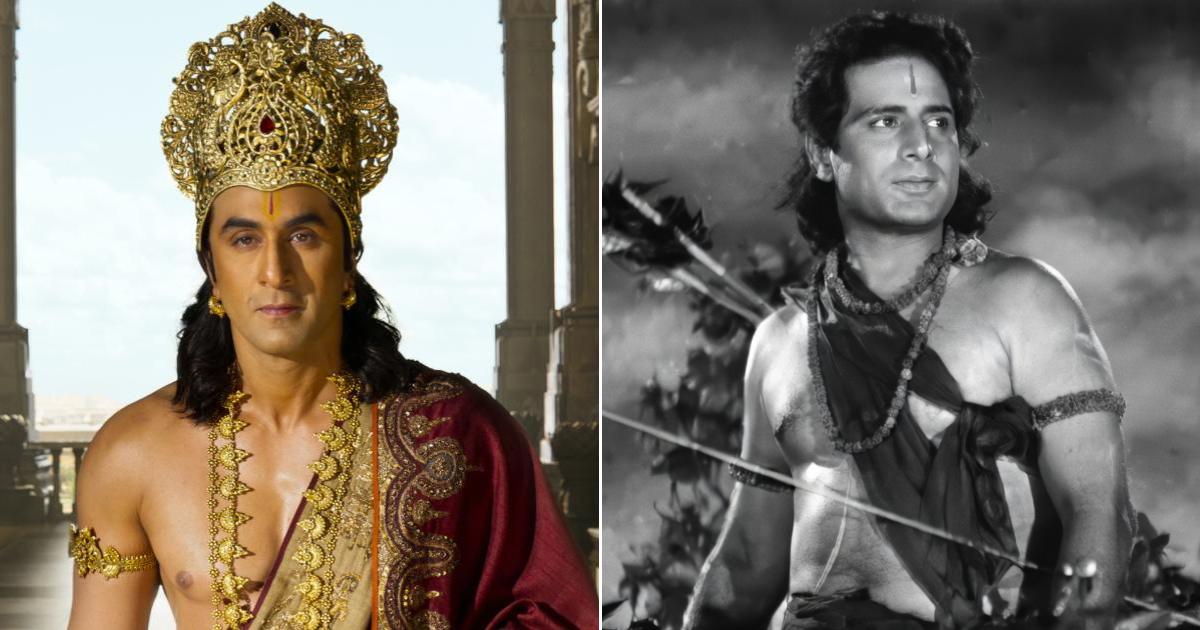
Ranbir carries this family legacy into theaters today. He prepares for the exact same mythological role 90 years later. But Prithviraj acted without modern digital visual effects in the black-and-white era. So he relied entirely on his loud voice and his stage presence. The 1934 film used simple camera tricks for the magic scenes.
Then the new production employs a massive computer graphics team for visual flair. The new crew creates digital demons on bright green screens. Additionally, Ranbir prepares his body for the intense action sequences. Prithviraj delivered long, dramatic speeches in pure classical Hindi. Both actors treated the revered character with deep personal respect.
How This Kapoor Legacy Still Shapes Ramayana Today
The Kapoor family deeply respects this historical milestone in cinema. Speaking of Raj Kapoor, he learned the craft of filmmaking from his father, Prithviraj, and thus, the subsequent generations were built on top of that early success. Now Ranbir plays the exact same role for a new audience. Strong family ties in films are popular among Indian ticket buyers.
The new Ramayana films require a hefty production budget, but the original 1934 film cost only a few lakh rupees. The financial scale of Indian cinema changed completely over the decades; however, the core emotional story remains exactly the same today.
Advertisement
For more such stories, check out Bollywood Features
Must Read: Ranbir Kapoor Once Turned Down Ramayana — 5 Other Popular Films He Rejected Earlier
Follow Us: Facebook | Instagram | Twitter | YouTube | Google News