





 Join Us
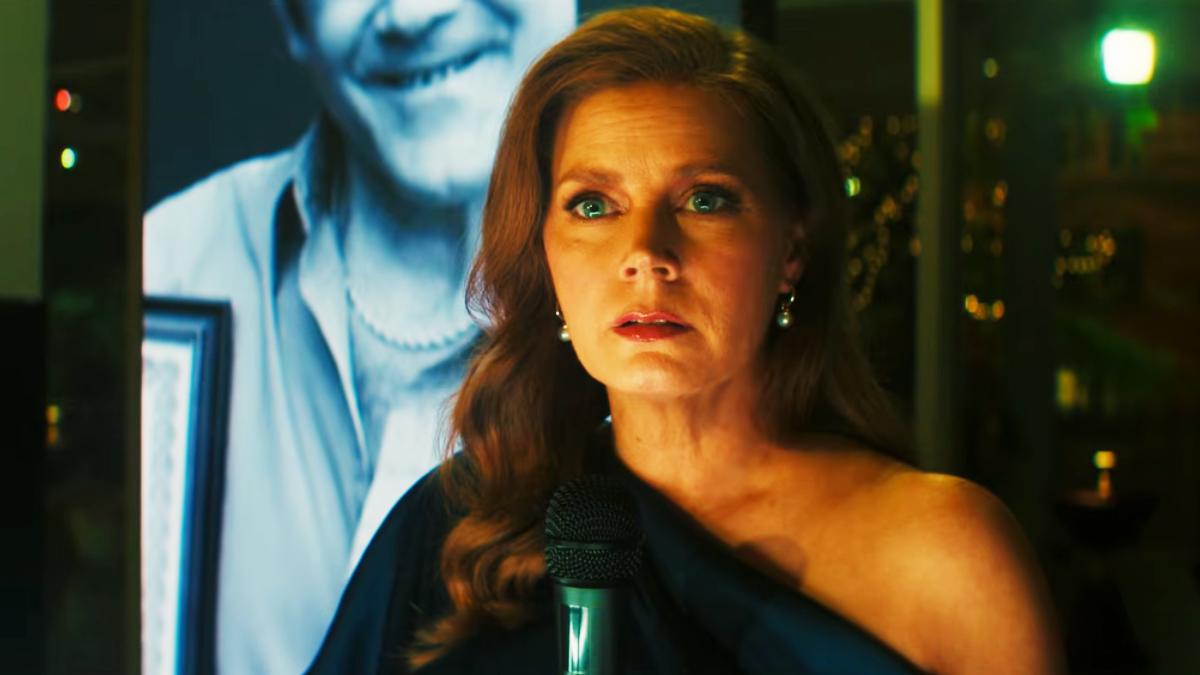
Cast: Javier Bardem, Amy Adams, Patrick Wilson
Creator: Nick Antosca
Streaming On: Apple TV
Language: English
Runtime: 10 episodes of 50 minutes each
There’s a specific cruelty in asking an audience to hold Robert De Niro‘s memory in their head while watching anything. Scorsese’s 1991 Cape Fear is one of the most viscerally unpleasant American studio films ever greenlit. It was a picture so brutally disturbing that it feels like it physically assaults you.
De Niro’s Max Cady showed that when the id snaps and has a grudge, it’s almost like unleashing raw fury from God. Nick Antosca’s ten-episode Apple TV limited series (executive-produced, with some degree of irony, by both Martin Scorsese himself and Steven Spielberg) has the considerable audacity to set up shop in that shadow and try to grow something in the dark. Remarkably, it partly succeeds.
Cape Fear Review: What’s It About:
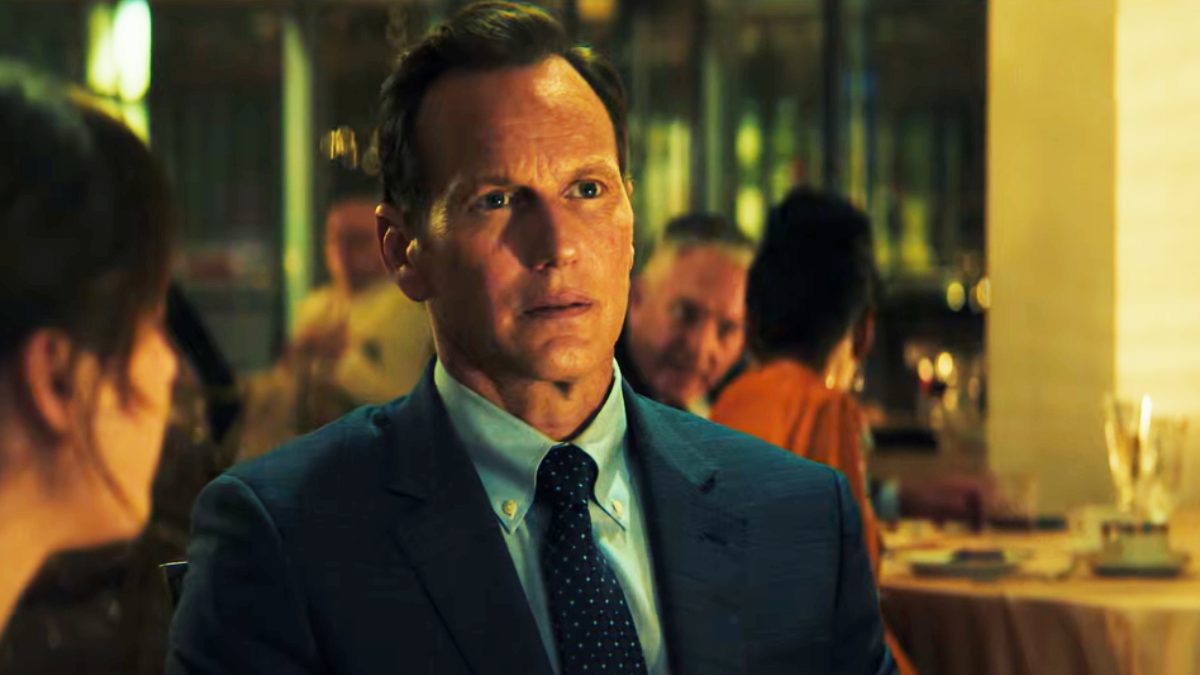
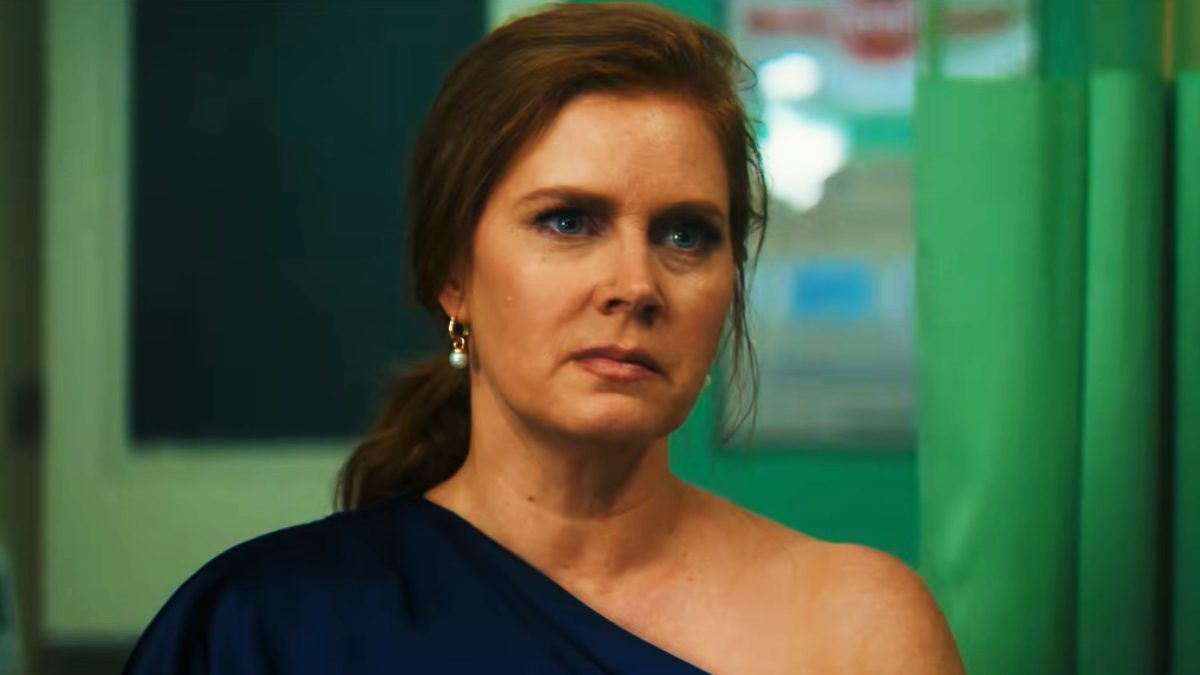
The premise of Cape Fear turns the machismo of earlier versions on its head. Here, it’s Amy Adams’ Anna Bowden (and not her husband) who served as Max Cady’s defense attorney. She failed to keep her client out of prison. And she, whose subsequent marriage to the prosecutor (Patrick Wilson’s Tom) sets the whole mechanism of vengeance in motion.
Max Cady is released after 17 years (3 years before his sentence was set to end) and seeks revenge. Or so it seems. Anna and Tom convince themselves that they had nothing to do with what happened to Cady, and they even believe he was likely guilty.
Antosca is working with an engine borrowed from J. Lee Thompson and Martin Scorsese (and John D. MacDonald before both of them). But he’s put different fuel in the tank, and for stretches the vehicle moves in genuinely alarming directions.
Cape Fear Review: What Works:
Savannah, Georgia, seeps into every shot. This is not the Savannah of tourist brochures, though. This is something gritty and even ugly. Cinematographically speaking, the series is perhaps the best thing Apple has put out since Severance.
Composer Jeff Russo twists Bernard Herrmann’s legendary theme from the original (J. Lee Thompson’s 1962 movie) into something that sounds like the original’s ghost has been trapped in a newer house and isn’t pleased about it. And that is, one suspects, an apt metaphor for the whole enterprise.
The domestic landscape the show constructs for these two is the familiar ruins of the upper-professional class. They inhabit a gorgeous house with lovely children, but it’s filled with secrets and poisonous remnants of seventeen years of silence. Antosca really hammers home how the Bowdens have settled for moral compromises.
Cape Fear takes aim at this specific type of American wishful thinking. At its heart, it’s more about revealing this dark truth in their gilded cage of a home rather than some scary man story, which requires a well-appointed house and a charitable foundation. It also requires a narrative in which you are always, ultimately, the good person in the room.
Cape Fear Review: Star Performance:
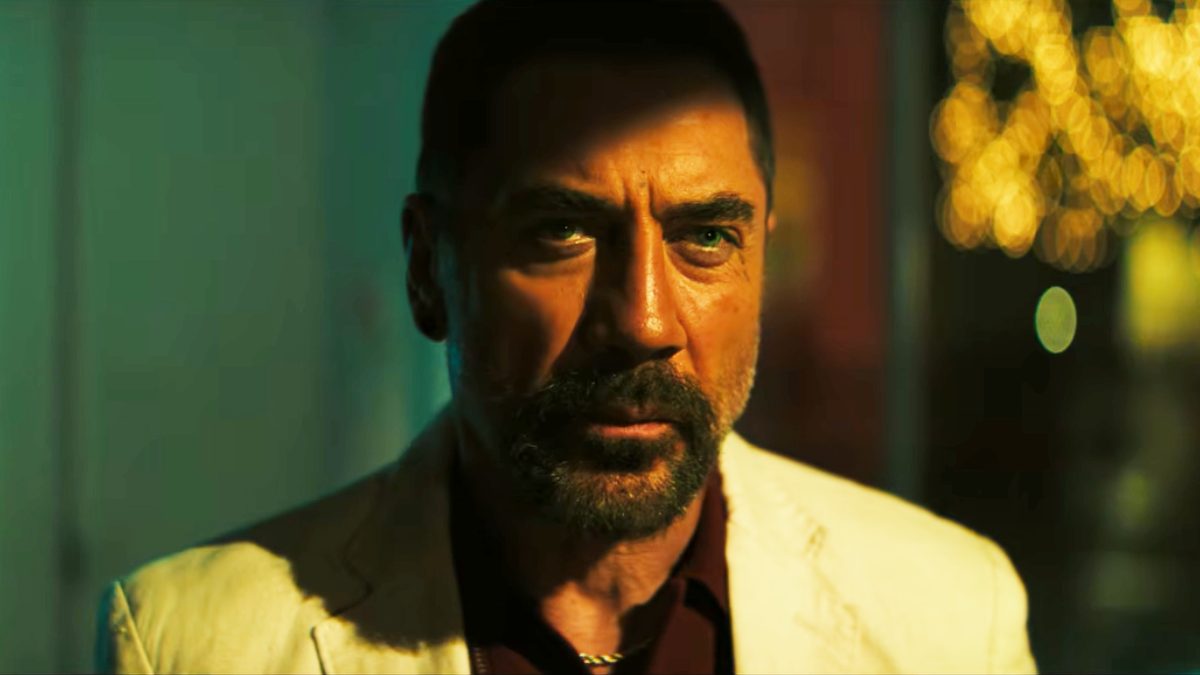
Javier Bardem is, without equivocation, the reason to endure the series’s longueurs. Antosca is wise enough to deploy him with strategic restraint. Introduced the way Spielberg (whose prints are on this project, however lightly) introduced his shark in Jaws (1975), Bardem’s Cady emerges from Tarwater State Prison with an eyeball tattooed on the back of his neck.
He’s not doing De Niro, and I’ll say it again: he’s not doing De Niro. While De Niro’s Cady was all about id and Southern swagger, Bardem’s version is quiet in off-putting ways. He is a predator whose stillness is itself the threat. It is, in the strictest sense of the word, a terrifying performance. More so because it’s surrounded by a show that periodically deserves it.
Adams has been one of this generation’s great actresses. You can see her working, and somehow that labor comes out as emotional truth rather than artifice. Anna is a woman who has built her professional identity around the exoneration of the wrongly convicted. This makes her guilt when a wrongly convicted man arrives at her door deeply ironic. Wilson is given somewhat less to do with somewhat less interesting material.
Trending

Cape Fear Review: What Doesn’t Work:
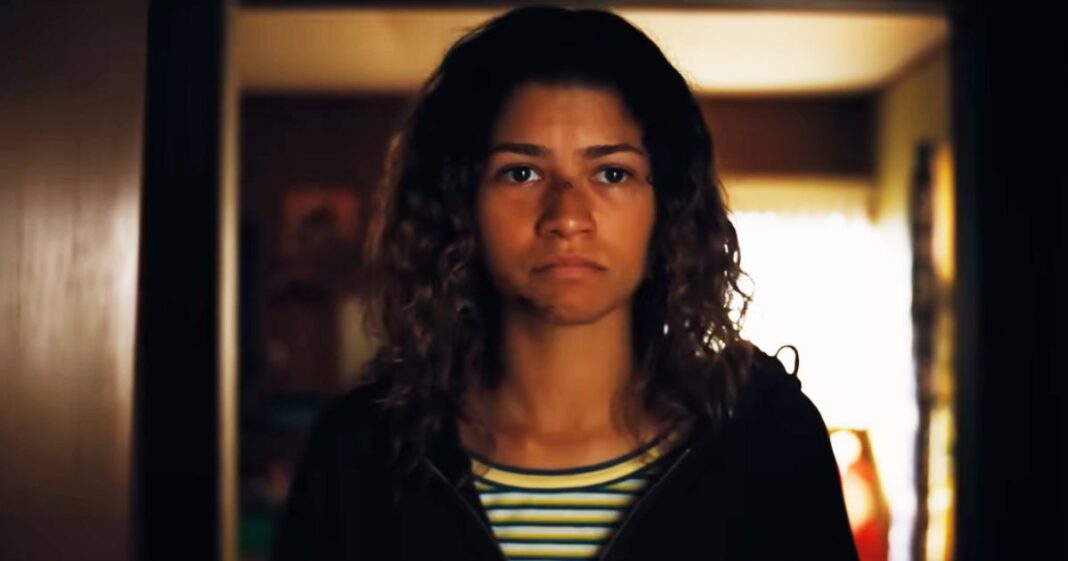
This series doesn’t have many downsides, although even its minor flaws stick out at times. The ten-episode format can sometimes cause issues; a few episodes feel a bit padded. Plus, not all subplots have the same dramatic punch. Still, whenever the show zeroes in on self-deception and hidden truths eating away at people, it gets really gripping and unsettling.
Cape Fear Review: Last Words:
Cape Fear arrives with the baggage of Martin Scorsese’s classic thriller. That must have been intimidating for Nick Antosca’s series. While it doesn’t always escape its predecessor’s shadow, nor does it make full use of its longer runtime, it does succeed where other prestige remakes fail. It shifts focus from the sheer terror of a deranged man out to hurt you and your family to privilege and moral deception. This change turns a typical revenge tale into something that eats away at your psyche.
For more reviews of shows on OTT, stay tuned to Koimoi.
Must Read: Cape Fear: Cast Details, Plot, Release Date, & Everything To Know About Amy Adams’ Thriller Series
Follow Us: Facebook | Instagram | Twitter | YouTube | Google News