





 Join Us
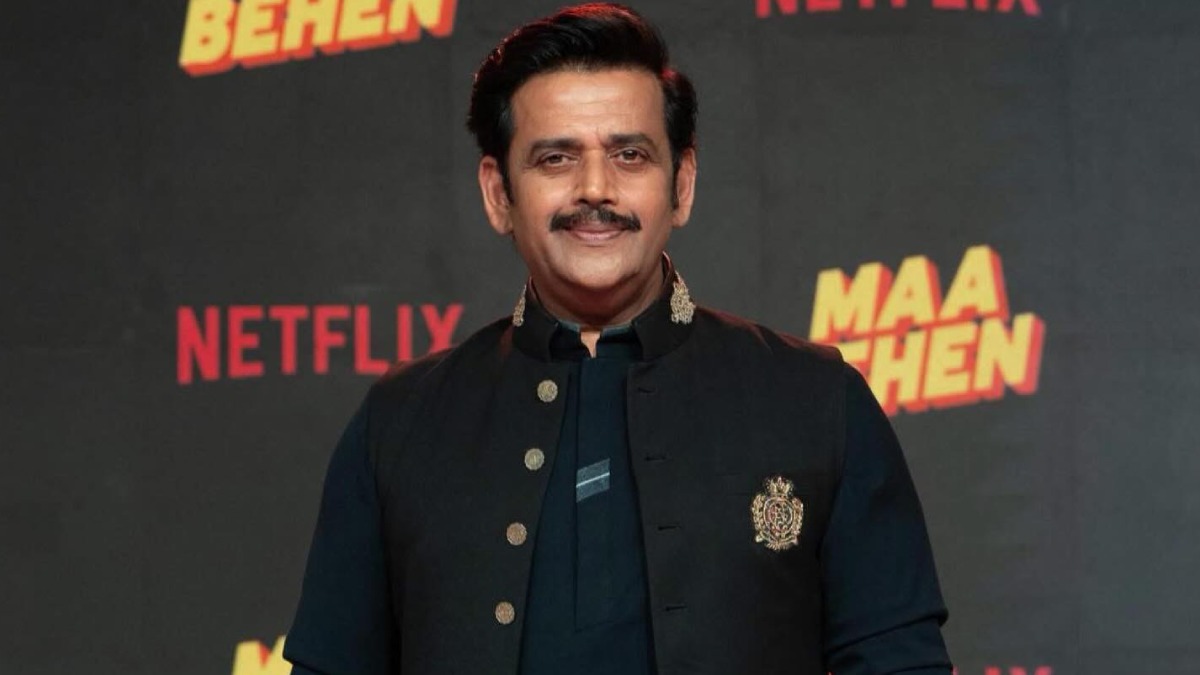
Few Indian actors have built careers as varied as Ravi Kishan’s. He is a two-term Member of Parliament, one of the defining stars of Bhojpuri cinema, a familiar face in Hindi and South Indian films, and an actor whose acclaimed performance in ‘Laapataa Ladies’ brought him a new level of critical recognition more than three decades after he entered the industry. His career has taken him from regional superstardom and reality television to Bollywood, streaming platforms, and national politics. Today, he occupies the unusual position of being both a prominent political figure and an actor whose career appears to be entering another important phase.
From Village Roots To The Mumbai Dream
The distance between his beginnings and the stature he enjoys today is remarkable. Born Ravindra Shyamnarayan Shukla on 17 July 1969 in Bombay, Kishan was the youngest child of a priest whose family roots lay in Kerakat, in Uttar Pradesh’s Jaunpur district. His father ran a dairy business in the city, but when it collapsed, the family returned to its village. Kishan has spoken of living in a mud house and of a single pot of watered-down khichdi being stretched to feed a large family. His father wanted him to choose a dependable life, perhaps farming, selling milk, or securing a government job. Acting belonged to another universe. Yet it was this unlikely ambition that would eventually take Kishan from a village in Uttar Pradesh to film sets across India, the national spotlight, and Parliament.
His instinct for performance emerged early. During the village Ramlila, Kishan played Sita, reportedly wearing his mother’s saree. His father strongly disapproved of his interest in performing, and Kishan has recalled being severely beaten after he discovered acting. His mother, however, recognized that the boy’s ambitions could not easily be contained. She gave him about five hundred rupees and encouraged him to leave. That small sum became his passage back to Mumbai and towards a life that would eventually span Hindi, Bhojpuri, Telugu, Kannada, and other film industries, television, streaming entertainment, and national politics.
Trending
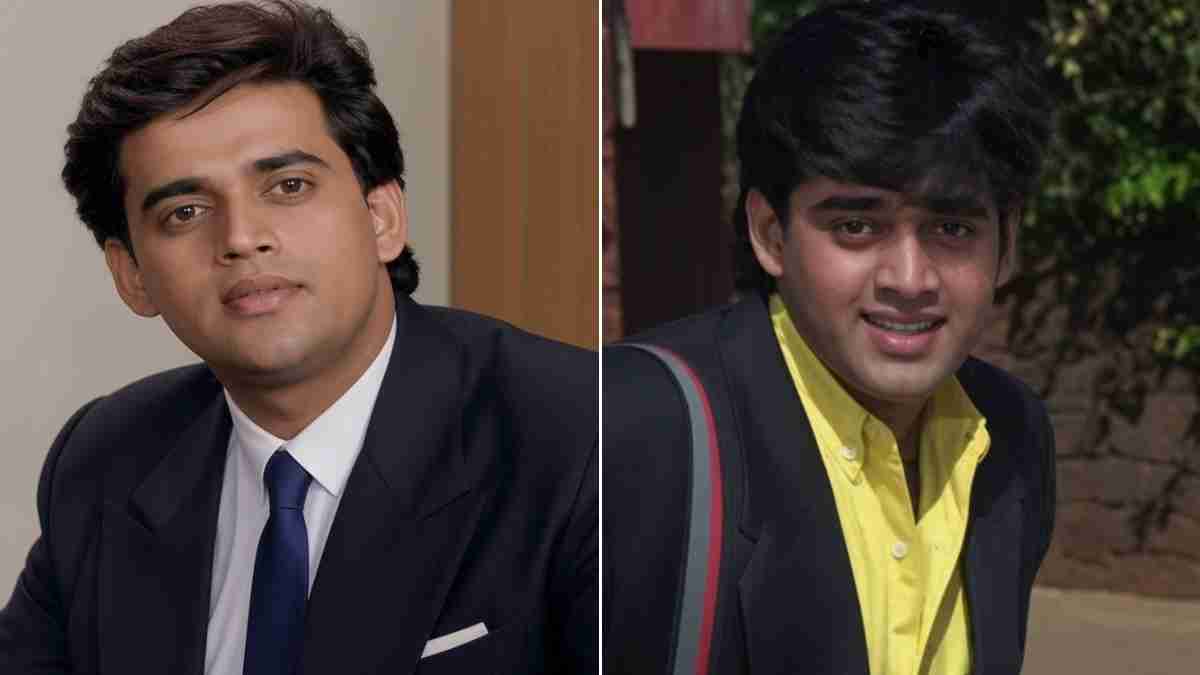
There was nothing glamorous about the beginning. Ravi Kishan arrived in Mumbai as a teenager with ambition but little leverage. He worked on himself, learning languages and developing skills such as horse riding, action, and theater, while navigating the long stretches of rejection familiar to struggling actors. His screen debut is generally dated to ‘Pitambar’ in 1992. Through the rest of the decade, he appeared in films that kept him working but brought little recognition: ‘Zakhmi Dil,’ ‘Udhaar Ki Zindagi’ with Jeetendra and Kajol, ‘Aatank,’ ‘Army’ with Shah Rukh Khan, and ‘Keemat,’ among others. He has spoken frequently about those years of financial struggle, when vada pav and tea could constitute a meal, and even getting paid adequately for acting could feel like an achievement.
Cancer Ascendant: Emotional Depth, Intuition & Resilience
His horoscope helps explain the tenacity with which he survived those years. Ravi Kishan’s planetary positions reveal a personality that combines considerable emotional sensitivity with determination, adaptability, and an instinctive understanding of people. There is warmth and sentiment in his nature, but also toughness. He can become deeply attached to people, places, and experiences, yet when circumstances demand it, he appears capable of reinventing himself and moving into entirely new territory. That combination of attachment and reinvention would become one of the recurring themes of his career.
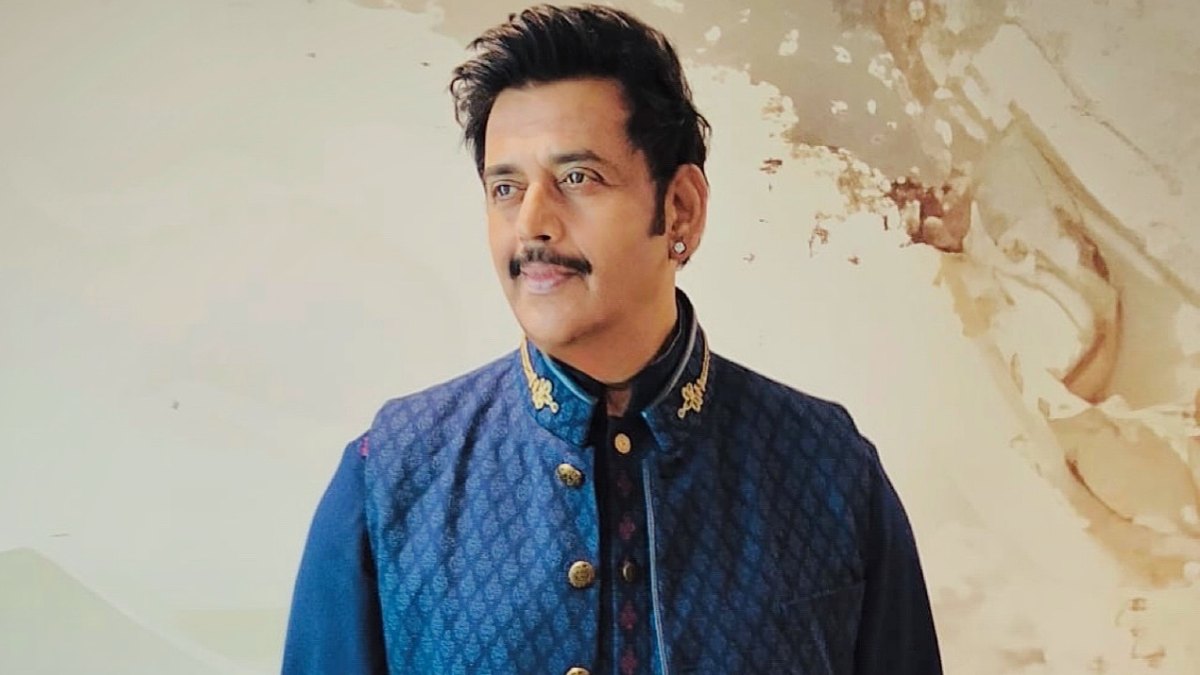
His Cancer ascendant, combined with both his Sun and Moon in Cancer, makes the Cancerian qualities of sensitivity, intuition, emotional memory, and attachment to one’s roots particularly prominent. The ascendant represents how a person approaches life and interacts with the world, and Cancer here can give Kishan a strong, instinctive understanding of people and their emotions. This receptiveness can be an advantage for an actor seeking to connect with audiences and for a politician whose success depends upon understanding the public mood.
The Sun and Moon in Cancer further suggest that family, belonging, and emotional security are important to him. Cancerian personalities rarely forget where they came from, regardless of how far they travel. They can be fiercely protective of those they regard as their own and capable of forming deep emotional attachments. Kishan may therefore be considerably more sensitive than the flamboyance of his public persona sometimes suggests. Praise, affection, and loyalty can mean a great deal to him, while criticism and betrayal may leave a lasting impression.
The Moon is especially powerful because Cancer is its own sign, strengthening his intuition, emotional depth, and receptiveness to the moods of those around him. His emotional memory is likely to be strong, and beneath the energetic, humorous, and highly expressive public personality, there may be a more private and sentimental individual. Yet cancer is also a cardinal sign. Its sensitivity should not be mistaken for passivity. Once emotionally invested in a goal, Kishan can show considerable initiative and determination.
Sun, Rahu & Ketu: The Astrological Drive To Reinvent
His Sun forms a harmonious trine with Rahu, adding ambition and a desire to expand beyond familiar boundaries. Rahu often creates hunger for experience, achievement, and recognition. Its relationship with his Sun can make him willing to enter unfamiliar territory and pursue opportunities that others might regard as unconventional. The Sun also forms a sextile with Ketu, creating an interesting counterpoint. One part of his personality seeks recognition and expansion, while another can detach from an identity once it has outlived its usefulness. This is a powerful combination for reinvention.
Indeed, Kishan’s career repeatedly advanced when he was willing to abandon his original idea of what success should look like. Bhojpuri cinema, reality television, South Indian films, politics, and eventually restrained character acting were not obvious extensions of the career he had imagined as a young man trying to establish himself in Hindi cinema. Each became important because he was willing to enter territory that might once have appeared to be a detour.
Sun Dasha: Finding Recognition After Years Of Struggle
An important astrological transition occurred in December 1998, when Kishan entered his six-year Sun dasha, which continued until December 2004. The sun represents identity, visibility, authority, and the desire to establish oneself. For an actor who had spent much of the 1990s searching for recognition, this period coincided with the gradual emergence of a clearer professional identity.
The Mercury bhukti within the Sun dasha, from October 2002 to August 2003, proved especially important. Mercury governs communication, versatility, and the ability to connect with audiences, and it is particularly powerful in Kishan’s horoscope because it occupies Gemini, its own sign. Mercury in Gemini gives him a quick and adaptable mind, verbal spontaneity, and an ability to modify his language, tone, and presentation according to the people in front of him. These would prove invaluable qualities for someone whose life would eventually encompass cinema, television, and electoral politics.
It was during this Mercury bhukti that ‘Tere Naam’ arrived in 2003 and finally gave him a Hindi role that a wider audience noticed. As Rameshwar, the conventional fiancé caught in the emotional wreckage surrounding Salman Khan’s Radhe, Kishan had a supporting part, but it gave him visibility after years spent largely on the margins of mainstream Hindi cinema.
Bhojpuri Breakthrough: The Rise Of A Regional Superstar
Yet the breakthrough that truly transformed his career would come not from Bollywood but from a film industry that much of mainstream Indian cinema barely took seriously at the time. Kishan accepted an offer to work in a Bhojpuri cinema after consulting his mother. His hesitation was understandable. For an actor struggling for recognition in Bombay, moving into regional cinema could easily have been interpreted as an admission that the Bollywood dream had failed. His mother reportedly saw it differently: even if the cities would not watch him, people in the villages would, she told him.
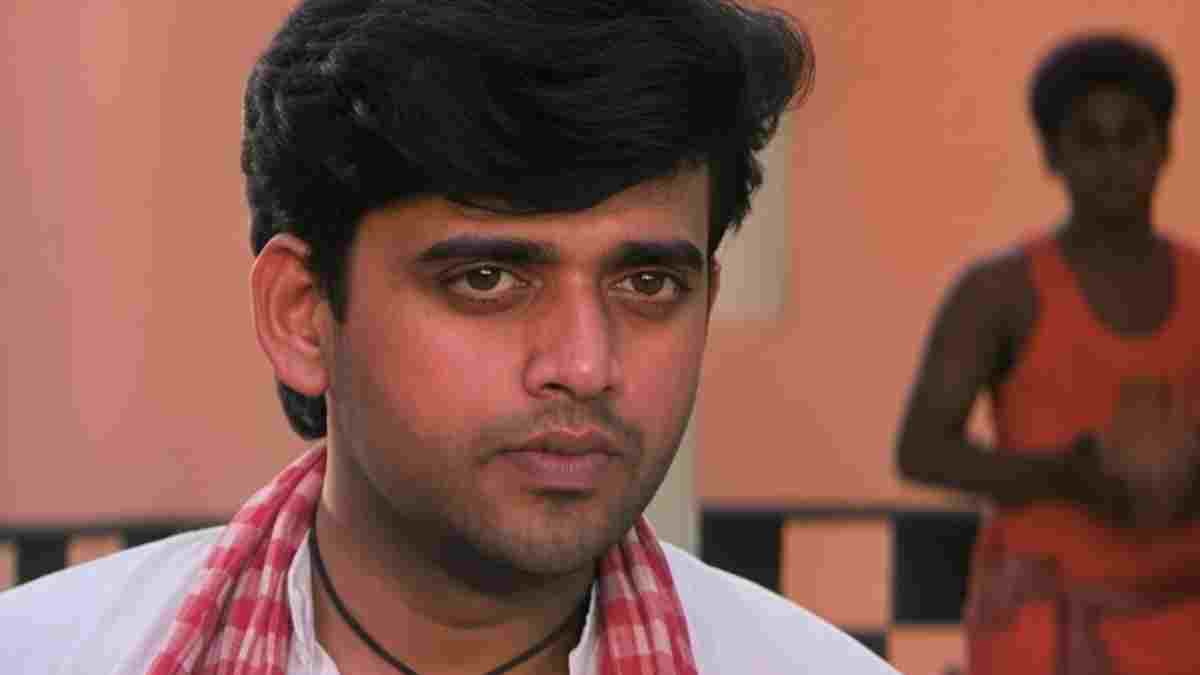
He took the chance. ‘Saiyaan Hamar’ (2003) became a major success in Bihar and eastern Uttar Pradesh, and the struggling Hindi supporting actor suddenly found himself transformed into a regional leading man. The shift took place during the latter part of the Sun dasha, a period astrologically associated with identity and recognition. By the time the Sun Dasha ended in December 2004, Ravi Kishan had found an audience of his own.
Moon Dasha: Mass Popularity & The Power Of Public Connection
December 2004 brought the beginning of the Moon Dasha, which would continue until December 2014. This was particularly significant because the Moon is strongly placed in Cancer, its own sign. The Moon represents the masses, emotional connection, popularity, and public response, and Kishan’s Moon Dasha coincided with the decade in which his popular identity expanded dramatically.
One of the most striking features of his horoscope is that four planets occupy their own signs: the Moon in Cancer, Mars in Scorpio, Mercury in Gemini, and Venus in Taurus. The concentration of planets in their own signs gives unusual strength to several important dimensions of his personality. The Moon strengthens his emotional instincts and connection with people; Mars gives determination and survival instinct; Mercury sharpens communication and adaptability; and Venus enhances charm, artistic sensibility, and the desire for stability.
The early Moon Dasha coincided with some of the most important years in his rise as a Bhojpuri star. ‘Kab Hoi Gawna Hamaar,’ released on 26 November 2005, won the National Film Award for Best Feature Film in Bhojpuri. The film arrived during the Moon-Mars period, which ran from October 2005 to May 2006. With the Moon representing public response and Mars strongly placed in Scorpio, the combination was well-suited to a phase in which Kishan was rapidly consolidating his position in an emerging, intensely competitive industry.

Mars in Scorpio is one of the most revealing placements in his horoscope. It gives courage, persistence, strategic ability, and considerable reserves of inner strength. Kishan is unlikely to surrender easily when confronted with opposition. Difficult circumstances can make him fight harder rather than withdraw. He may also instinctively understand power equations and other people’s motivations, preferring at times to observe and wait before acting. It’s a more difficult expression: an unwillingness to let go of slights and disappointments, and, once convinced that he is right, changing his mind may not be easy.
‘Dulha Milal Dildar’ belonged to the same broad phase, while ‘Ganga’ followed in 2006. By then, Kishan had entered the Rahu bhukti within the Moon dasha, which continued from May 2006 to November 2007. Rahu often expands its reach beyond familiar boundaries and can produce sudden visibility and an enlargement of public identity. ‘Gangotri’ followed in 2007, and ‘Janam Janam Ke Saath’ became another notable success. The actor who had once worried that working in Bhojpuri cinema might narrow his career was instead becoming one of its defining faces.
What followed was more consequential than a conventional star-making story. Kishan became one of the central figures in the modern expansion of Bhojpuri cinema. In the early 2000s, the industry was far less organized than its Hindi counterpart and operated with smaller budgets, limited infrastructure, and a very different production culture. Kishan brought with him some of the professional habits he had absorbed during his years in Mumbai and worked at a relentless pace. Over the course of his career, he has claimed credits running into several hundred films across languages, with Bhojpuri accounting for a substantial share of them.
Even at the height of that fame, he kept returning to Hindi cinema. ‘Phir Hera Pheri,’ released in 2006 during the Moon-Rahu period, gave him Chhote, the stammering sidekick whose comic mannerisms remained memorable long after the film left theaters.
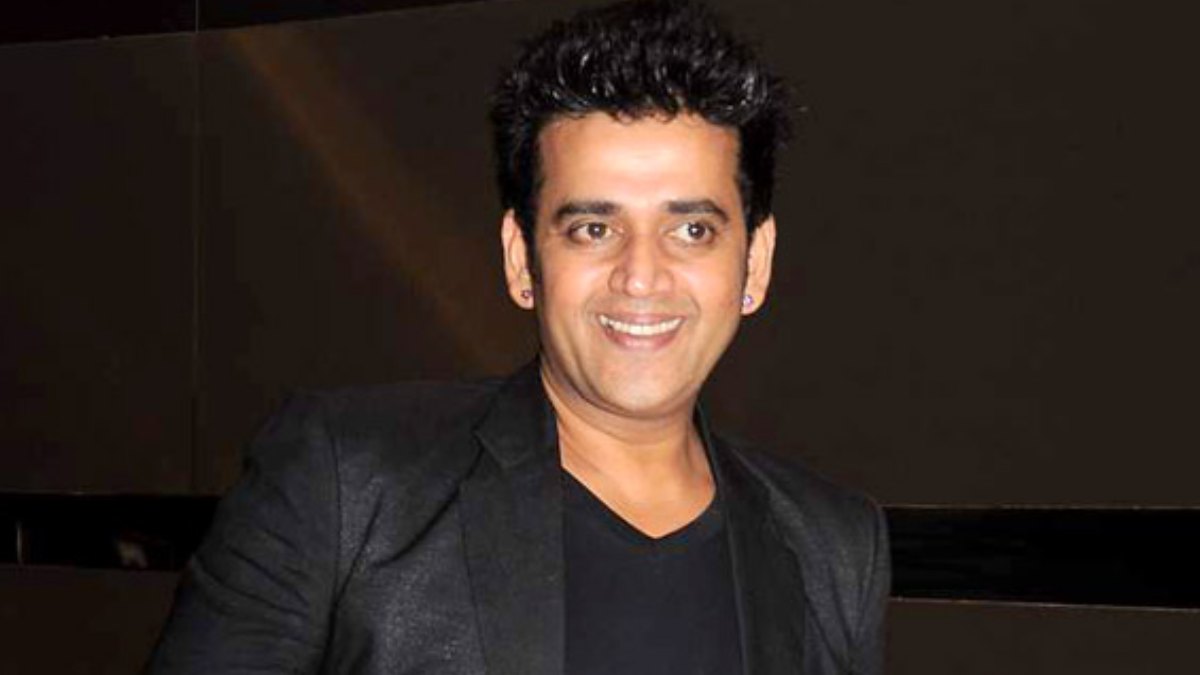
Television accomplished something. Hindi cinema in the 1990s had not: it introduced Ravi Kishan the person, rather than merely Ravi Kishan the actor, to a national audience. The first season of ‘Bigg Boss,’ broadcast in 2006-07, also fell within his Moon-Rahu period. He finished third, but the program proved transformative. Kishan has subsequently described the experience as psychologically overwhelming, recalling moments when he tried to escape, chewed through a microphone wire, and feared that participating in the program might destroy his career. Instead, it expanded it.
The astrological symbolism is striking. The Moon represents mass audiences and public identification, while Rahu can magnify visibility, create fascination, and turn unusual behavior into part of a public persona. ‘Bigg Boss’ allowed millions of viewers to encounter Kishan without a scripted character separating them from him. His expressive speech, emotional openness, volatility, and distinctive mannerisms became part of his national identity.
Rahu occupies Pisces in his horoscope, adding imagination and intuition to his ambitions. Pisces also has associations with imagery, cinema, and mass emotion. Combined with the harmonious trine between Rahu and his Cancer Sun, this strengthens his potential for public visibility and suggests an ambition that may extend beyond fame towards influence and consequence.
From Regional Star To Pan-Indian Performer
The Jupiter bhukti within the Moon dasha, from November 2007 to March 2009, brought further expansion. Shyam Benegal cast Kishan in ‘Welcome to Sajjanpur,’ released on 19 September 2008, giving him space in a very different kind of Hindi film from the commercial and regional cinema with which audiences associated him. In the same year, ETV Bhojpuri named him Most Popular Actor. The period combined mass popularity with increasing recognition of his versatility.
Jupiter occupies Virgo in his natal chart and is conjunct Uranus, an unusual combination that can bring unexpected opportunities and dramatic changes of direction. Kishan’s professional journey has repeatedly unfolded in precisely this fashion. Rather than following a predictable trajectory, his life has moved through distinct chapters, often with an unexpected opportunity opening the door to the next. The conjunction also suggests an independent streak and an interesting mixture of conventional and unconventional attitudes: deeply attached to tradition and roots in some matters, yet surprisingly willing to experiment in others.

The Saturn bhukti followed from March 2009 to October 2010. Saturn tends to demand sustained work rather than easy applause, and Kishan remained remarkably busy. ‘Luck’ opened on 24 July 2009. Mani Ratnam cast him as Mangal in ‘Raavan,’ released on 18 June 2010. Shyam Benegal returned to him for ‘Well Done Abba,’ released on 26 March 2010, while ‘Devra Bada Satawela’ arrived on 25 June 2010. Rather than producing one spectacular breakthrough, the period reinforced something that would become essential to his longevity: his versatility and ability to move comfortably across very different kinds of cinema.
Saturn in Aries also describes an important tension within his personality. Aries wants immediate action, while Saturn demands patience, discipline, and delayed gratification. Kishan may repeatedly encounter situations in which the desire to advance quickly is confronted by circumstances requiring him to wait, work harder, or prove himself. Yet Saturn can convert precisely such struggles into resilience. For an actor whose wider critical recognition took decades to arrive and whose political career began with an electoral defeat, the symbolism is particularly relevant.
The Moon-Mercury period, from October 2010 to March 2012, again activated his strongly placed Mercury. Kishan continued working across mainstream Hindi and regional entertainment, including appearances in films such as ‘Tanu Weds Manu’ and ‘Agent Vinod.’ By now, versatility itself had become one of his defining professional characteristics.
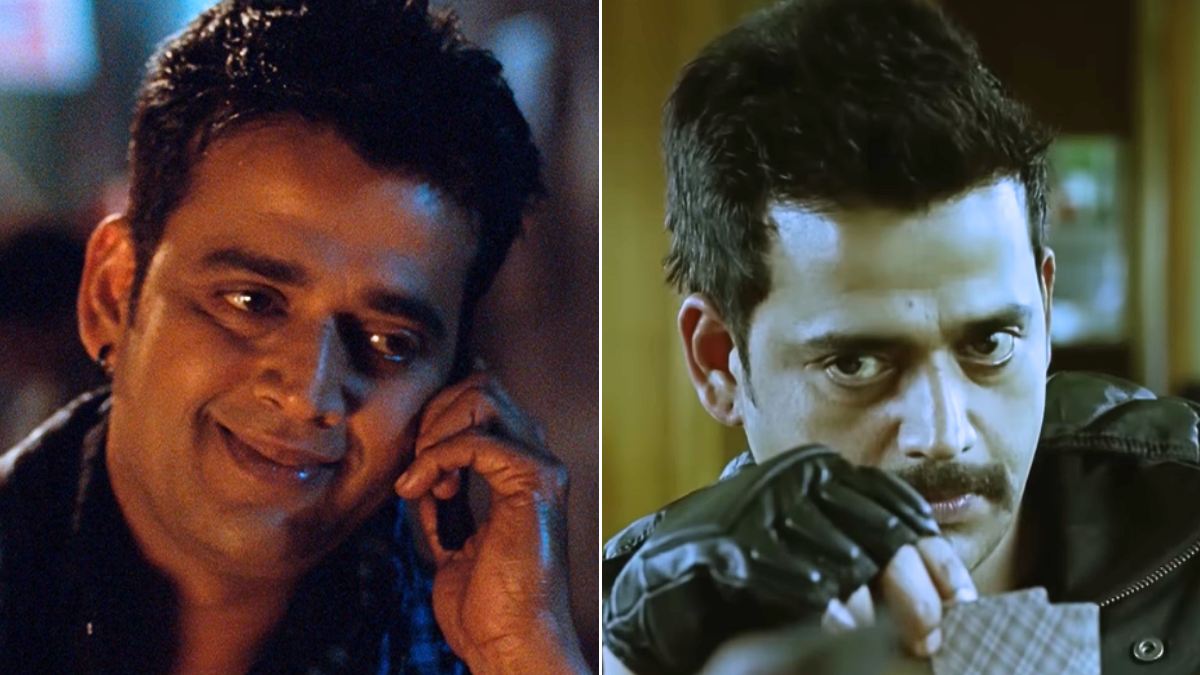
He later hosted programs including ‘Bathroom Singer,’ ‘Ek Se Badhkar Ek – Jalwe Sitaron Ke,’ and ‘Raaz Pichhle Janam Ka.’ He competed in ‘Jhalak Dikhhla Jaa 5’ in 2012, during the Ketu Bhukti of his Moon Dasha.
Towards the end of the Moon Dasha came another important expansion. ‘Race Gurram,’ released on 11 April 2014, arrived during the Venus bhukti, which lasted from October 2012 to June 2014. Venus is strongly placed in Taurus, its own sign, and is associated with entertainment, performance, popularity, and artistic success. ‘Race Gurram’ gave Kishan the flamboyant antagonist Maddali Shiva Reddy opposite Allu Arjun and introduced him to a large Telugu audience. The performance developed an afterlife of its own; years later, clips and memes would connect Kishan’s political appearances with his extravagant screen persona.
Venus in Taurus also adds warmth, charm, loyalty, and a strong appreciation of stability and material security. Combined with Mars in Scorpio, another fixed sign, it contributes considerable persistence. Once Kishan decides that a person, objective, or cause matters, he is unlikely to abandon it casually.
Politics, Power & A New Chapter
The closing Sun bhukti of the Moon dasha, from June to December 2014, coincided with another attempt to enlarge his identity, this time beyond entertainment. Kishan contested the 2014 Lok Sabha election from Jaunpur as a Congress candidate and lost decisively. The Sun is associated with government, authority, and political life. Politics had entered the story, even if electoral success would have to wait.
In December 2014, Kishan entered the seven-year Mars dasha, a particularly important period for his professional life. Mars is the lord of his 10th house of career, profession, status, and public achievement and is strongly placed in Scorpio, its own sign. The period, therefore, activated one of the strongest career planets in his horoscope. The years that followed saw Kishan expand geographically, strengthen his South Indian career, and eventually convert celebrity into political power.
Telugu producers continued to cast him in films including ‘Kick 2,’ ‘Supreme,’ ‘LIE,’ ‘MLA,’ ‘Saakshyam,’ ‘Sye Raa Narasimha Reddy,’ and ’90ML.’ His Kannada work included ‘Hebbuli,’ ‘Drona,’ ‘Shivarjuna,’ and ‘Robert.’ He returned to Tamil cinema with films including ‘Sketch’ and ‘Sangathamizhan.’ Gujarati and Marathi projects further widened the map.
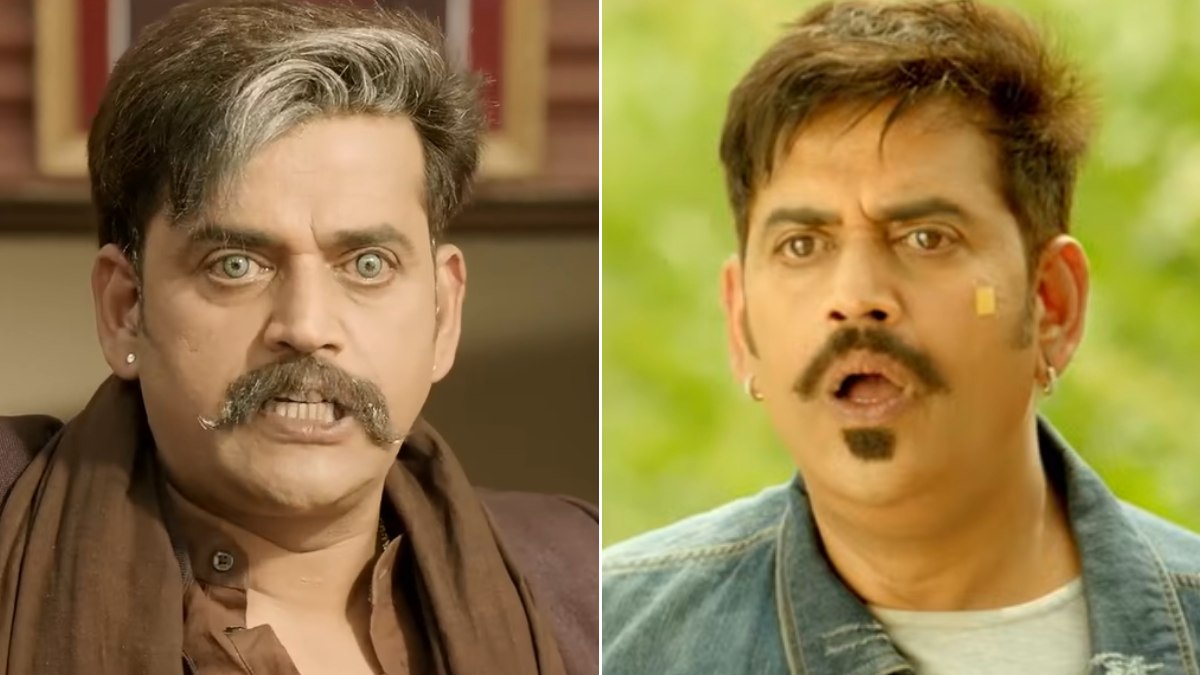
The pattern remained remarkably consistent. Kishan was rarely sold as the romantic hero outside Bhojpuri cinema. Instead, he became the high-voltage presence who could enter an ensemble, villainous or character role, and immediately raise its energy. His recognisability in northern India and among migrant audiences added another layer of commercial usefulness. The actor who had once struggled to find a place in one film industry had made his inability to fit neatly into a single industry one of his greatest professional strengths.
The Jupiter bhukti within the Mars dasha, from June 2016 to May 2017, was a period of expansion, and in February 2017, Kishan made a political move that would transform his second career: he joined the Bharatiya Janata Party. Jupiter often enlarges one’s sphere of influence, while the larger Mars period was closely associated with career advancement, competition, and public status. The shift placed him on the political path that would eventually take him to Parliament.
The Saturn bhukti, from May 2017 to June 2018, brought substantial work and roles that demanded something beyond his established image. Anurag Kashyap’s ‘Mukkabaaz,’ released on 12 January 2018, became particularly important in retrospect. Kiran Rao would later say that seeing Kishan in the film influenced her decision to consider him for ‘Laapataa Ladies.’ ‘Sanki Daroga,’ which Kishan wrote and produced and which centered on crimes against women, followed on 7 September 2018, shortly after the beginning of the Mercury bhukti.
Politics, Power & A New Chapter
The Mars-Mercury period, from June 2018 to June 2019, combined professional drive and competitive force with communication and adaptability. Kishan entered one of the most consequential contests of his life.
In 2019, the BJP fielded him from Gorakhpur, a constituency closely associated with Yogi Adityanath and one the party was particularly keen to reclaim after losing a 2018 by-election. Kishan won by more than three lakh votes. He took the Lok Sabha oath on 18 June 2019. He sought to take his oath in Bhojpuri but was unable to do so because the language is not included in the Eighth Schedule of the Constitution. He concluded with “Har Har Mahadev.”
The contrast with 2014 was striking. His first electoral experiment had ended in defeat. Five years later, during a far more powerful career period astrologically, he returned to electoral politics and won Gorakhpur by more than three lakh votes. The actor who had spent decades fighting for professional space had entered a different kind of arena, one defined literally by competition, campaigning, and victory. His political career was no longer an experiment. He was now a Member of Parliament.
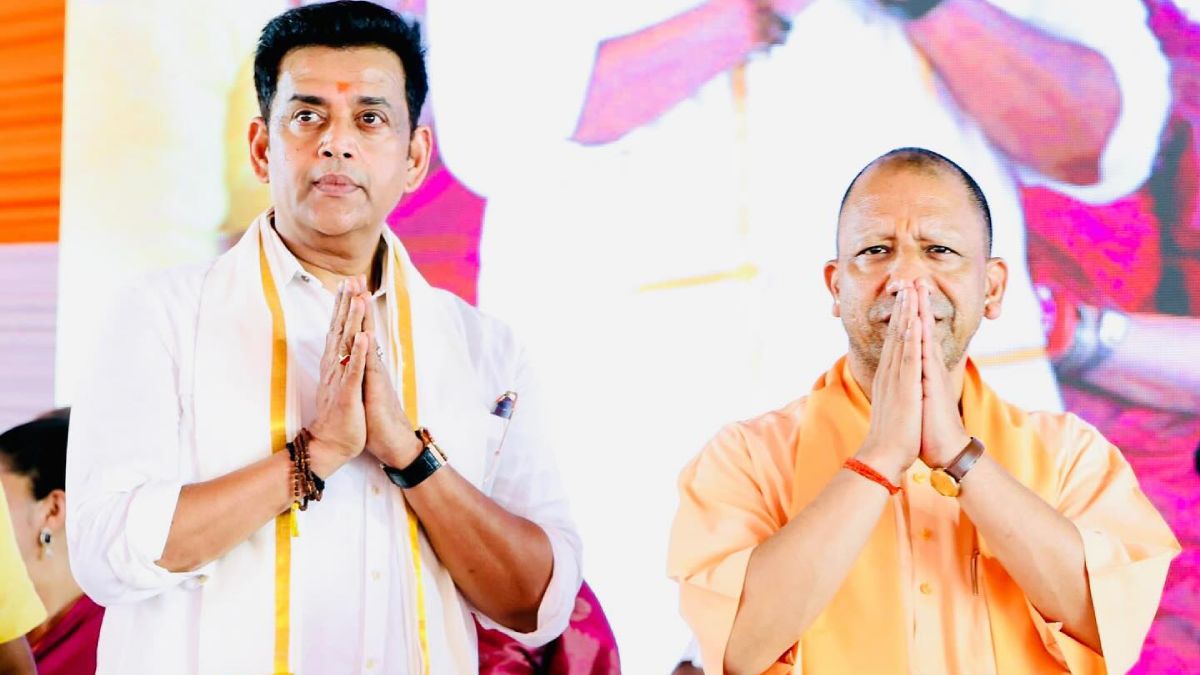
The Venus bhukti within the Mars dasha, from November 2019 to January 2021, helped keep his acting career active even as his political responsibilities grew. Kishan continued filming while establishing himself as a parliamentarian, successfully sustaining two demanding careers.
December 2021 brought another major astrological transition. Kishan entered the eighteen-year Rahu dasha, which will continue until December 2039. Rahu is associated with ambition, expansion, mass visibility, reinvention, and the crossing of conventional boundaries. In Kishan’s horoscope, it is placed in Pisces, a sign associated with imagination, cinema, and mass emotion. Few descriptions could fit this stage of his professional life more naturally. By then, he was simultaneously an actor across several industries, a television and streaming personality, and an elected politician.
Rahu Dasha & The Laapataa Ladies Turning Point
The opening Rahu-Rahu period, from December 2021 to August 2024, brought another wave of visibility. Streaming platforms extended his reach through projects such as ‘Matsya Kaand’ and ‘Khakee: The Bihar Chapter,’ while his film work included ‘Mission Raniganj.’ But the project that most dramatically altered perceptions of him was ‘Laapataa Ladies.’ Kiran Rao’s film, released theatrically on 1 March 2024, cast Kishan as Inspector Shyam Manohar, the paan-chewing rural policeman investigating the disappearance and accidental exchange of two young brides during a train journey. It was the sort of role that could easily have become a caricature. Kishan instead made Shyam Manohar funny, corrupt, observant, unpredictable, and unexpectedly humane.
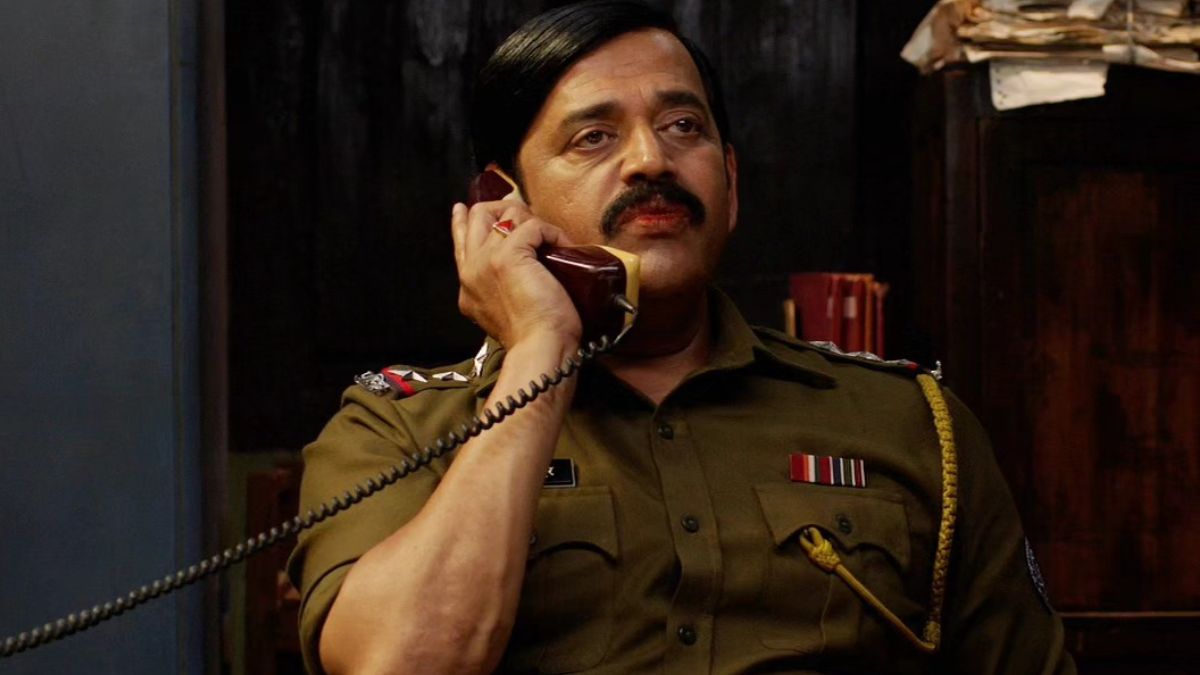
Kishan was already a well-established star, but ‘Laapataa Ladies’ introduced another dimension of his abilities to audiences who had associated him primarily with Bhojpuri stardom, flamboyant supporting roles, television, or politics. His restrained performance prompted a reassessment of him as an actor. At almost the same time, he retained Gorakhpur in the 2024 general election. The period was therefore significant on two fronts, consolidating his political position while transforming his critical reputation as an actor.
In August 2024, Kishan entered the Jupiter bhukti of his Rahu dasha, which continues until January 2027. Jupiter represents expansion, recognition, honors, and growth, and the period has already brought significant validation. ‘Laapataa Ladies’ was selected as India’s official submission for the Academy Award for Best International Feature Film, while Kishan received major honors for his performance in 2025, including Filmfare and IIFA awards for Best Supporting Actor. After more than three decades in the profession, he was receiving recognition for a dimension of his talent that had often been overshadowed by his larger-than-life public image.
There is another, more contemporary dimension to his visibility. Kishan’s speeches, mannerisms, film characters, and public remarks frequently circulate as memes and short-form social media content, giving him a degree of familiarity among younger audiences who may know relatively little about his earlier work. For a public figure straddling entertainment and politics, such familiarity can be unusually valuable. His earlier performances and spontaneous public remarks can take on a second life online, introducing him to audiences far removed from the ones who first made him famous.
This kind of unconventional visibility is particularly characteristic of Rahu, which is often associated with new technologies, changing social trends, and unexpected forms of recognition. The early years of Kishan’s Rahu dasha have already brought greater critical respect as an actor, continued political prominence, and renewed cultural relevance. The period could ultimately become one of the most consequential phases of his public career.
Ravi Kishan Astrology Forecast: What Comes Next?
The Jupiter bhukti will be followed by Saturn, lasting from early 2027 until late 2029. Saturn is a significant planet in Kishan’s horoscope. It tests one’s resolve, demands sustained effort, and frequently delays rewards until they have been earned through persistence. Its influence can be seen in Kishan’s career itself. Despite decades of work and enormous popularity in Bhojpuri cinema, wider recognition of his abilities as a serious actor came relatively late. In many ways, that trajectory is characteristic of Saturn: rewards may be delayed, but when they arrive, they rest on experience, resilience, and years of sustained effort.
The Saturn bhukti from early 2027 to late 2029 is likely to be favorable for him, although it may also bring greater responsibilities and a heavier workload. His stature as an actor could rise further, with substantial roles that allow him to demonstrate his range and maturity as a performer. The period could consolidate the critical recognition he has received in recent years and establish him even more firmly as a versatile character actor.
The period also looks important politically. Saturn is associated with responsibility, authority, institutions, and positions that require sustained commitment. Kishan may be entrusted with a more important role, take on additional responsibilities, or see his political influence increase. Balancing politics with an active acting career could become more demanding, making discipline and time management increasingly important. July and August 2027 look particularly significant and could bring a major career breakthrough, greater prominence, or an important new responsibility. Overall, the Saturn bhukti has the potential to substantially strengthen his position in both politics and entertainment.
Before that transition, the remaining months of his Jupiter bhukti are likely to be busy and productive. September 2026 may bring considerable travel and financial gains through his career, although significant expenses are also indicated. From the second week of October to mid-November, he enters an especially favorable period for professional gains and the acquisition of assets, with the first half of November looking particularly rewarding. Travel is again possible towards the end of November.
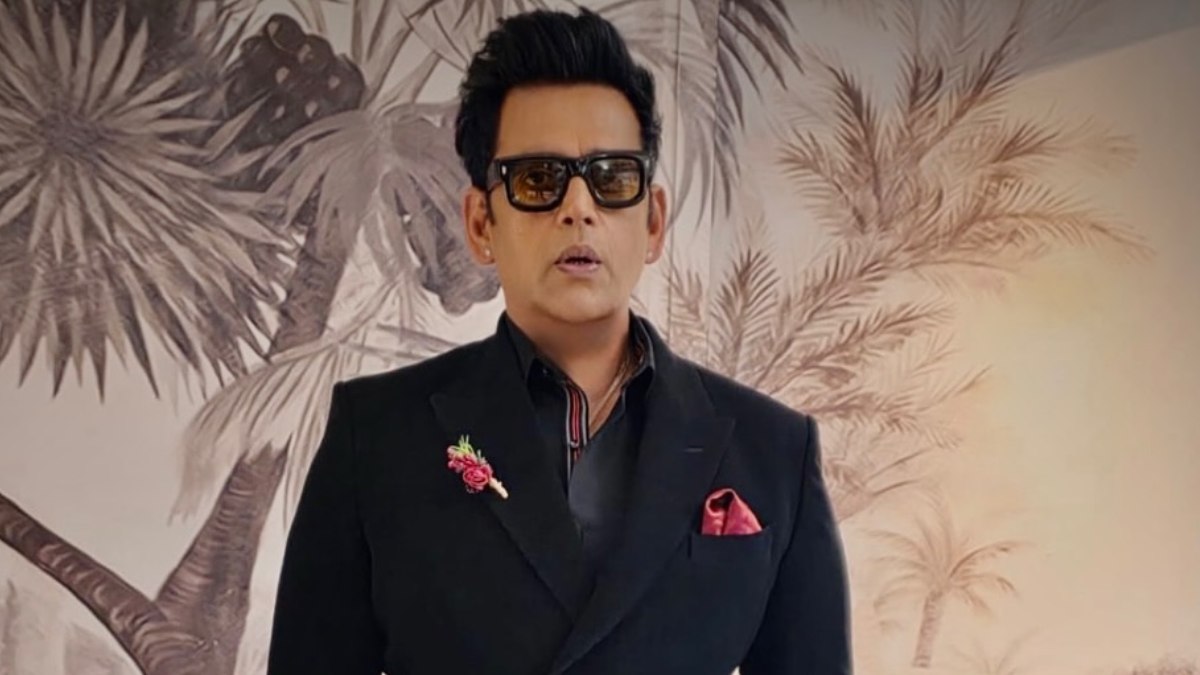
December 2026 could bring an important creative collaboration with a large or reputable organization based in another state or country. Such an association may expose him to a different professional environment or open a new avenue in his acting career.
Ravi Kishan is likely to begin 2027 on a strong note, with significant developments in both his film and political careers. Travel is indicated in the second half of January. February could be particularly eventful, bringing professional growth, good financial gains, and the possibility of acquiring assets. Some opportunities may take him outside his comfort zone or require him to work in unfamiliar circumstances. At the same time, expenses could rise substantially, with some of them difficult to avoid. Travel is also likely.
Another journey is possible in the second half of March. April could bring considerable activity involving property, investments, or other assets. He may acquire or sell an asset during this period, while some of his existing assets could appreciate in value.
The transition from Jupiter to Saturn in early 2027 does not suggest a slowing down of Kishan’s career. Instead, it marks a shift from expansion towards consolidation and greater responsibility and authority. The opportunities ahead may bring increased pressure and greater demands, but they could also significantly elevate his standing. The second half of 2027, particularly July and August, looks especially promising and could bring major developments in his professional and political life. After more than three decades of reinvention, perseverance, and gradual ascent, Ravi Kishan appears to be entering yet another significant chapter. He has much to look forward to over the coming year.
About Astrologer Vikkramm Chandirramani
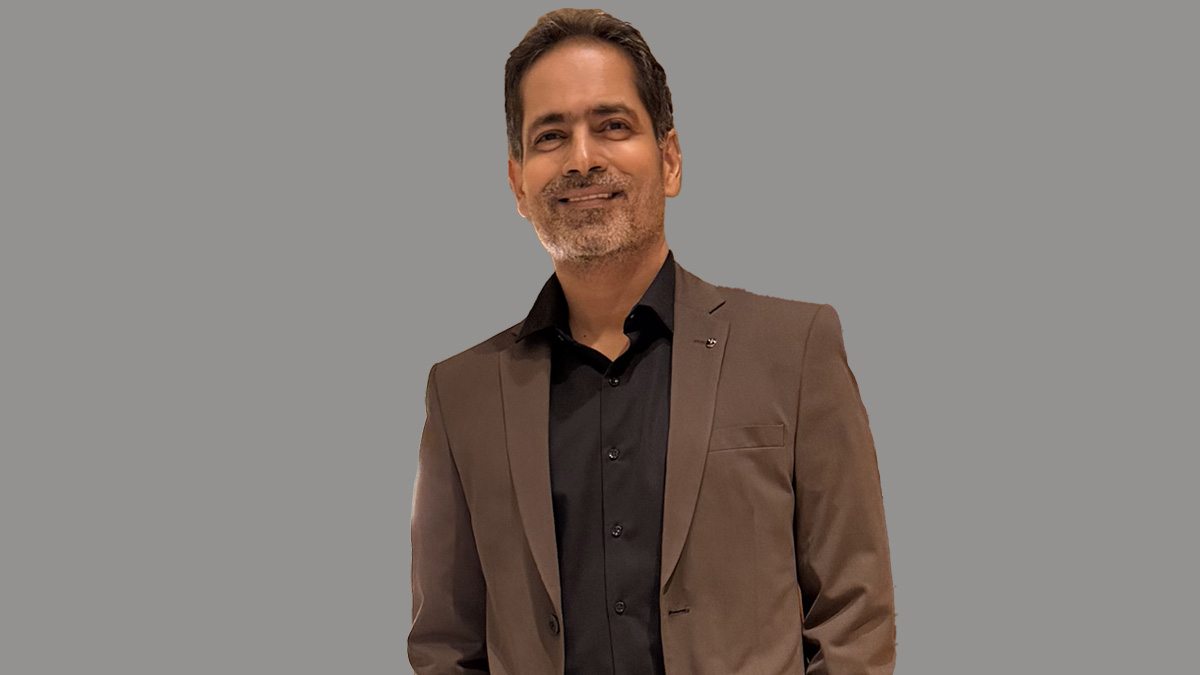
Vikkramm Chandirramani, an astrologer practicing since 2001, combines the principles of Vedic and Western astrology with his intuitive abilities to offer profound insights into the future. His official website is https://www.futurescopes.com.
Advertisement
For more such exclusive stories, stay tuned to Koimoi.
Must Read: Exclusive: Alia Bhatt Astrological Insights — Stardom, Business Success & Global Expansion
Follow Us: Facebook | Instagram | Twitter | YouTube | Google News