



 Join Us

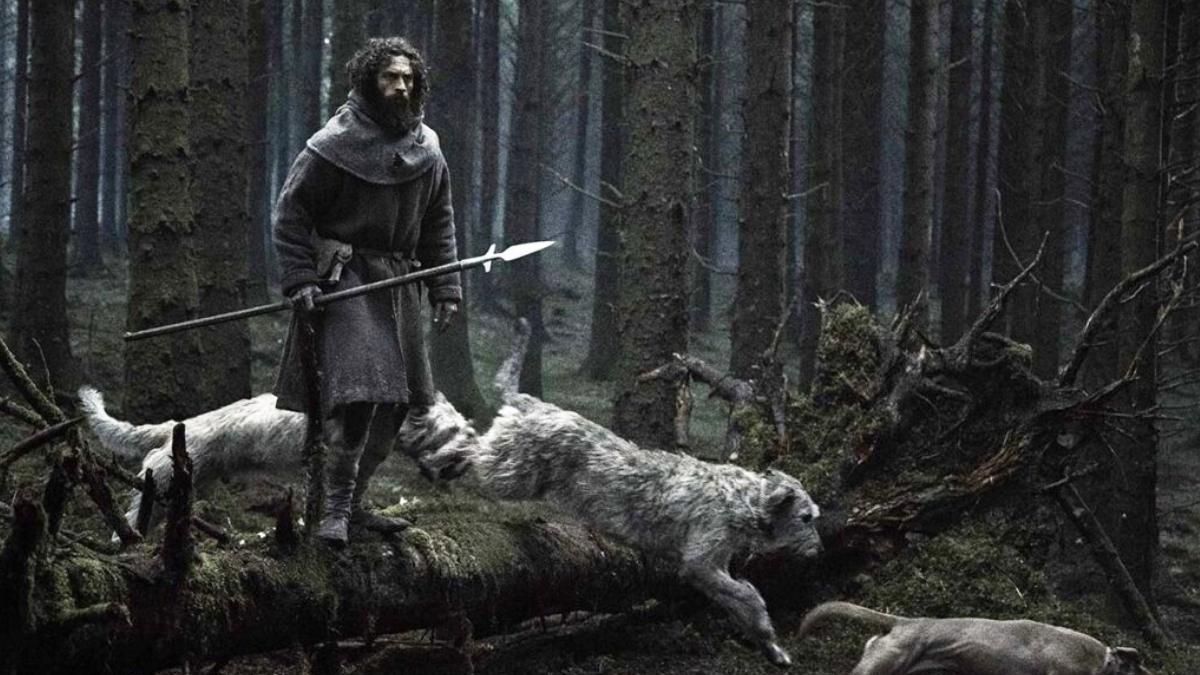
Robert Eggers is finally bringing the werewolves to the big screen with his upcoming movie ‘Werwulf’. But it’s not one of those fantasies where a man becomes a monster under a full moon.
Instead, the film takes us back to medieval England, when people were actually scared of the wolves and genuinely believed that humans could turn into them.
Set in 1305, ‘Werwulf’ has roots in real history and draws heavily on medieval folklore. While some stories referred to them as evil, some saw them as helpless humans trapped in animal bodies. So, how have these folklores inspired Robert Eggers’ story?
Trending

Medieval England Stories That Inspired Robert Eggers’ ‘Werwulf’
During the Middle Ages, wolves were a real threat in parts of England. They usually lived in hunting forests and grounds and were always seen as a sign of evil by the royal families. In 1281, King Edward I ordered a nobleman named Peter Corbet to hunt down the wolves near the Welsh counties.
This real historical event inspired Robert Eggers to move forward with ‘Werwulf’. Although Eggers’ story takes place in 1305, the idea of a hunter gathering villagers to kill wolves remains the same. Even though wolves continued to exist after such hunts, the fear among people only started to take stronger root.
But not all of them saw the Werewolves as a bad omen. In a 12th-century tale titled Bisclavret, a nobleman becomes trapped in the body of a wolf, while another, Guillaume de Palerne, recounts the human suffering that follows the transformation. Both tales presented the werewolves as unfortunate victims rather than dangerous monsters.
How Werewolves Became Terrifying Servants Of The Devil
As the centuries passed, these werewolf folktales took a much darker turn. Eventually, they came to be associated with witchcraft, murder, and even the devil, especially during Europe’s witch-hunting period.
Things were so serious that a German farmer named Peter Stumpp was wrongly accused of being a werewolf and was also blamed for killing people. Ultimately, failing to prove his innocence, he was executed, and the rumors only contributed to the growing fear.
But he wasn’t alone. Across Europe, at least 300 people faced accusations of being werewolves from people who believed in witchcraft.
Eventually, as the belief in witchcraft started fading, people stopped treating werewolves as supernatural threats. However, some 19th-century writers began collecting old legends and introducing them to new generations to raise greater awareness.
One of the most important books among them was Sabine Baring-Gould’s ‘The Book of Were-Wolves’, published in 1865. Later, Hollywood drew inspiration from the creature and made further changes to it in the 1941 horror film ‘The Wolf Man’.
Now, it’s Robert Eggers’ turn to explore the forgotten side of werewolf folklore. It’ll be interesting to see which side of the werewolf stories he adapts from.
Advertisement
For more such stories, check out Hollywood News!
Must Read: This 90%-Rated Brutal Revenge Epic By Robert Eggers Is Blowing Up On OTT — Here’s Where To Watch It!
Follow Us: Facebook | Instagram | Twitter | YouTube | Google News