


 Join Us

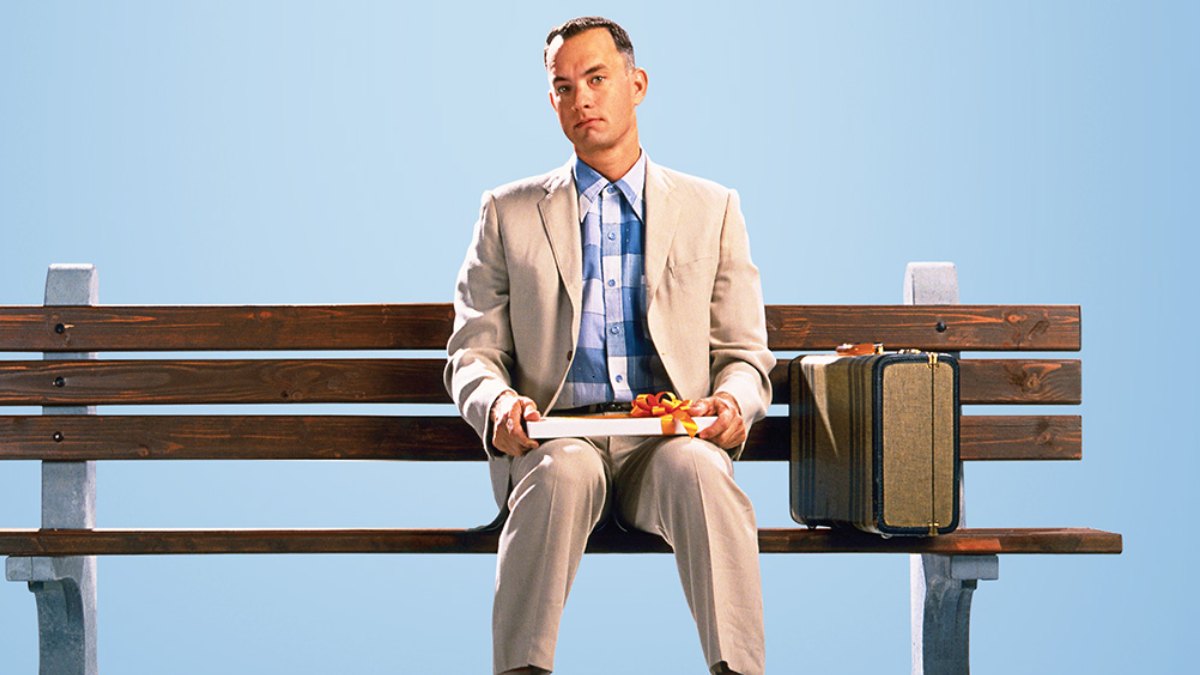
Not many Hollywood stories show how far a studio’s books can drift from reality, like the one about Forrest Gump. The 1994 film won the Oscar for Best Picture and made nearly $678 million worldwide on a budget of about $55 million, per Box Office Mojo. Yet within a year, Paramount Pictures was telling people who were owed a share of its profits that the movie had lost money.
Inside Paramount’s $62 Million Forrest Gump Loss
The news came out in spring 1995, when Forbes got hold of a studio memo showing the film $62 million in the red as of December 31. Premiere later printed the exact number, $62,403,581, per Film Stories. As the math was later pieced together, it started with about $191 million in receipts after theaters took their cut. From there, the studio subtracted pay for Tom Hanks and director Robert Zemeckis, production costs, a big marketing bill, interest, and distribution fees. That left a loss of roughly $63 million. One breakdown also found a studio overhead charge of 15% of the film’s cost.
The numbers worked because of who they were aimed at. Winston Groom, the Alabama author who wrote Forrest Gump, had sold the rights for $350,000 plus 3% of the net profits. No net profit meant nothing to pay.
Trending
Hanks and Zemeckis had been smarter, or maybe just luckier. Hanks reportedly gave up his $7 million salary when the production went over budget and instead took a share of the gross, as per Celebrity Net Worth. The film’s success turned that choice into an estimated $70 million. People who get a cut of the gross are paid from the first dollar, no matter what the studio’s ledger says. Reports at the time put each man’s take at $30 million to $40 million.
Forrest Gump Author Winston Groom Took On Paramount
Winston Groom did not take it quietly. He hired Pierce O’Donnell, the lawyer who had beaten Paramount in a similar fight over a film idea from the humorist Art Buchwald. O’Donnell said his client felt strongly that this was an unfair way to do the accounting and wanted to settle on friendly terms. The studio reportedly offered Groom a $250,000 gift, and he turned it down as too small. Studio sources kept saying the film would show a profit in the end.
It never reached a courtroom. In June 1995, Groom settled and, at the same time, landed a seven-figure deal for his newly finished sequel, Gump & Co. This time his share would come from profits before expenses. The settlement amount was never made public, but his mood was easy to read. “I’m happy as a pig in sunshine,” he told reporters.
The story has outlasted the movie’s run in theaters. A 1995 accounting memo that called one of the most successful films ever made a money loser became shorthand for how studios can shape their books. Maybe it was a calculated move, or maybe it was ordinary practice pushed to the limit. Either way, the lesson stuck for anyone negotiating a Hollywood contract.
Forrest Gump Trailer
Advertisement
For more such updates, check out Hollywood News
Must Read: How Patrick Stewart Went From A Teenage Reporter To Star Trek’s Legendary Captain Picard
Follow Us: Facebook | Instagram | Twitter | YouTube | Google News