



 Join Us


DC Studios Clayface, now in theaters, keeps the name of one of Batman’s oldest foes but rebuilds his past almost from scratch. Matt Hagen first showed up in 1961’s Detective Comics #298, and the film borrows heavily from the Batman animated series two-parter Feat of Clay.
How the Clayface Movie Changes Matt Hagen’s Comic Book Origin?
The comic book Hagen is a very different man. He started out as a treasure hunter, not an actor, and became Clayface after he fell into a radioactive pool of protoplasm. The film drops all of that. This Hagen is an actor, like the original Clayface, Basil Karlo, and he uses the transformation to fix a disfigurement. Both ideas come from the 1992 episodes. In effect, the movie puts Hagen’s name on Karlo’s backstory.
Screenwriter Mike Flanagan has been open about where it came from. He told ComicBook that Feat of Clay is “the world I wanted to live in.” Director James Watkins cast a wider net. When Deadline asked what he drew on, he said, “Everything, the Basil Karlo, Matt Hagen and all the variations.”
Trending
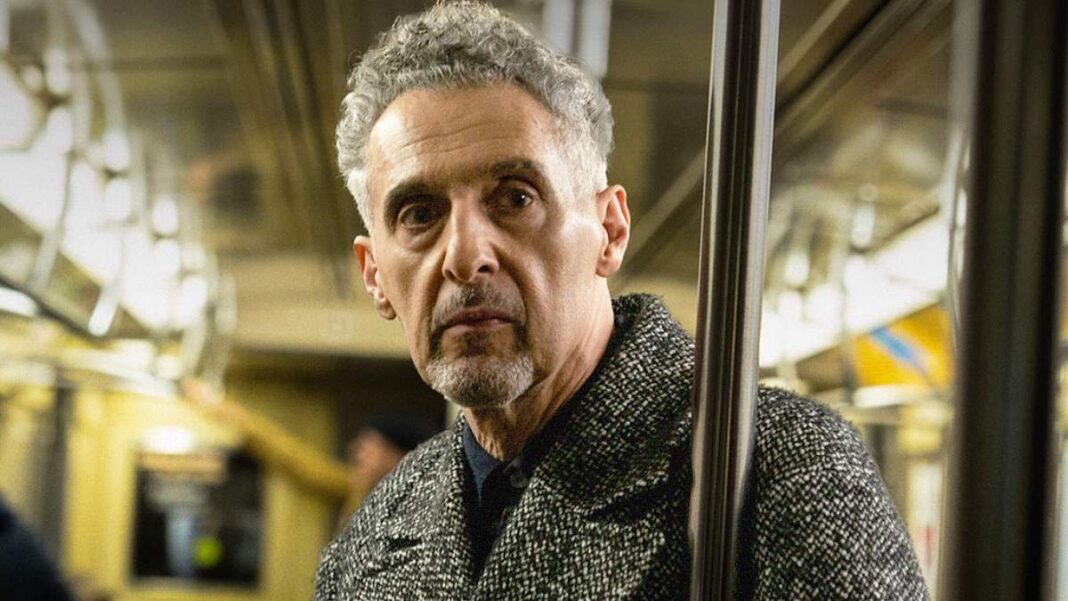

Clayface Vs Feat of Clay & What The Movie Does Differently?
Still, the film is not a straight remake of the cartoon. In Feat of Clay, Hagen first appears disguised as Bruce Wayne and gets framed for a crime, and viewers only learn his backstory as the mystery plays out. The movie flips that and makes Hagen the main character, so you watch the change happen through his eyes. Batman is not in the story at all.
The reason for Hagen’s downfall is different too. In the cartoon, he was an actor at Imperial Pictures who was scarred in a car accident, and he was later forced to swallow a vat of Renuyu. In the film, he is an A-list actor who is badly disfigured by mobsters, and he signs up for an experimental skin treatment. A procedure from Dr. Caitlyn Corr (Naomi Ackie) heals him but slowly turns him into a clay-covered monster. Some of the material is completely new, including a cameo by Aaron Paul as Hagen’s father, Jimmy One Nut Hagen, who raised him in the slums of Gotham. Watkins said the filmmakers thought about sins of the father as a theme.
Clayface Tone, Easter Eggs & Its Place In The DC Universe
The tone is darker as well. One outlet describes the film as R-rated body horror. Watkins sees the character’s powers as the heart of that, saying “Clayface is a character whose superpower is mutability.” The Hollywood Reporter notes that Flanagan described his script as “a tragedy in three acts.”
The film also tips its hat to its sources. It opens at Imperial Pictures, the studio from the cartoon, and the monster in the final act has the curved head and missing neck first seen in Feat of Clay. One critic argues the older version still tells the story better.
The movie also has a spot in the wider DC Universe. Unlike earlier DCU projects, it is an origin story. Producer Peter Safran has confirmed that this Hagen is the same Clayface from Creature Commandos, voiced by Alan Tudyk. So his time as a supervillain begins after the film ends.
What we get is a Hagen shaped less by comic book science and more by vanity, loss, and a face he cannot hold onto. That puts him much closer to the doomed actor Ron Perlman voiced in the cartoon than to the treasure hunter of 1961.
Advertisement
For more such stories, check out Hollywood News.
Follow Us: Facebook | Instagram | Twitter | YouTube | Google News